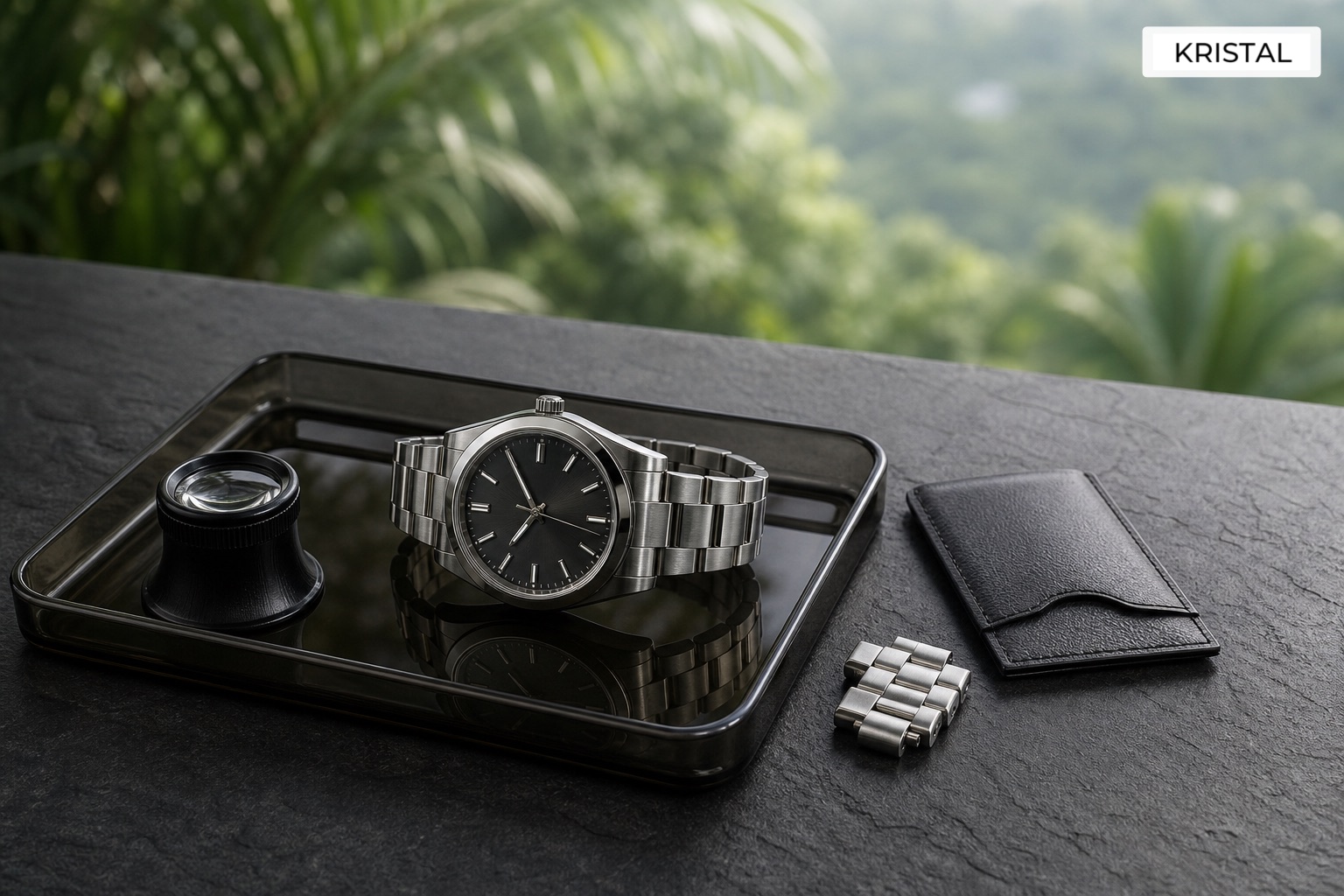
If you want to sell a luxury watch in Malaysia, choosing the buyer matters before the first full quote ever arrives. A clean process, a clear route explanation, and a traceable handover path usually tell you more than one fast message with a flattering number.
This guide is for sellers who want to screen a luxury watch buyer before sending the full watch file. If you still need the broader route comparison first, start with the main luxury watch selling guide. If you already have several numbers and need to judge them side by side, read the watch cash-offer comparison guide. This page answers an earlier question: how do you decide whether a buyer or store is worth your time before the watch leaves your hands?
Quick Answer: What Should You Check Before Contacting a Luxury Watch Buyer?
| Check | What a serious buyer should make clear | Why it matters |
|---|---|---|
| Watch and brand fit | Which watches they actually review and whether the route fits your type of file | You avoid wasting time on a buyer who is not a real match for the watch |
| First-review method | What photos, reference details, service notes, and accessories they need before the first answer means anything | A useful first reply should come from a real watch file, not guesswork |
| Route clarity | Whether the discussion is about direct sale, consignment, or an early screening only | The same number can mean very different things on different routes |
| Inspection rules | What can still change after physical review and which watch details usually cause that change | You can judge the risk of a softer final number before handover |
| Payout timing | When payment usually happens on the route being discussed | Fast cash and slower consignment are different decisions |
| Contact and handover path | How the next step works, where it happens, and what record you should keep | A real buyer should be easy to trace from first message to final transfer |
The short version is simple: do not judge a watch buyer only by the first number. Judge whether the process is clear enough that the number means something.
Why the Highest First Quote Is Not Enough
Many sellers start with one question: who gives the highest offer? That is understandable, but it is not a complete filter. A first quote only helps if you understand what sits behind it. Was it based on the exact reference? Did the buyer ask about service history, bracelet links, strap condition, and paperwork? Was the route explained properly, or does the number quietly depend on a slower path or a much deeper inspection later?
A weaker buyer often sounds easy at first and murky later. The first reply may feel confident, but the actual process stays vague. A stronger buyer often does the opposite. The language may be more measured, but the route, watch-file requirements, and next step are clear enough that you know what you are agreeing to.
This is why the buyer-choice page sits earlier than the offer-comparison page. Before you compare numbers, you need to decide which buyer is even worth comparing.
1. Check Whether the Buyer Clearly Handles Your Watch Type
The first screen is basic but important. Does the buyer make it clear which watches they actually handle? A vague “send anything” message is not always a strength. It can mean the buyer has not defined the lane, or that you are about to spend time on a file that was never a good fit.
That matters more on watches than many sellers expect. A straightforward everyday luxury watch file does not raise the same questions as a higher-scrutiny file with uncertain originality, incomplete paperwork, replaced parts, or older service gaps. A buyer who can explain the fit calmly is usually easier to trust than one who promises certainty before seeing the details.
For Kristal-specific fit checks, start with the accepted brands page. If you are screening buyers more generally, ask a simpler question: do they sound like they review watches, or do they only talk about price?
2. Ask How the First Review Is Formed
A useful buyer should be able to tell you what they need before the first answer is taken seriously. That usually means current photos, the watch reference if known, service notes, running-state context, and a list of what is included: box, card, invoice, spare links, extra strap, buckle, or receipts.
A clear first review should not feel like a magic trick. It should feel like a practical file check. If the buyer wants photos, ask which angles matter. If they want service information, ask what usually changes the first answer. If they want completeness proof, prepare it early instead of mentioning it vaguely.
If your file still needs work, use the watch photo checklist and the box-and-papers guide before you contact anyone again.
3. Ask What Can Change After Inspection
This is one of the best ways to tell whether the process is honest. A serious buyer should be able to explain why a number may stay the same, move slightly, or soften after the watch is reviewed more closely. That does not mean every change is fair. It means the rule should be visible before you hand anything over.
Good explanations usually sound concrete. The buyer may say the first answer depends on whether the real watch matches the photos, whether the bracelet or strap setup is complete, whether the movement runs as described, whether the case and crystal wear are shown honestly, and whether originality questions remain after closer review. Weak explanations stay slippery and general.
If you want to judge that stage more calmly, pair this with the watch cash-offer comparison guide. If you are still deciding whether a service or polish question could distort the file, keep the service-or-polish guide nearby as well.
4. Make Sure the Route and Payout Timing Match Your Goal
Sellers get into trouble when they hear a promising number and forget to ask what route the number belongs to. A direct sale, a same-day payout discussion, and a consignment conversation are not the same thing. If the buyer does not explain that clearly, your expectation can drift long before the watch moves anywhere.
Ask directly when payment usually happens on the route being discussed. Ask whether the process is meant for a fast exit, a slower comparison, or consignment patience. If speed matters most to you, the buyer should be able to say that plainly instead of leaving you to infer it from tone.
If timing is your main filter, keep the same-day payout guide and the consignment-payout guide open while you compare responses.
5. Check Whether the Handover Process Leaves a Clear Record
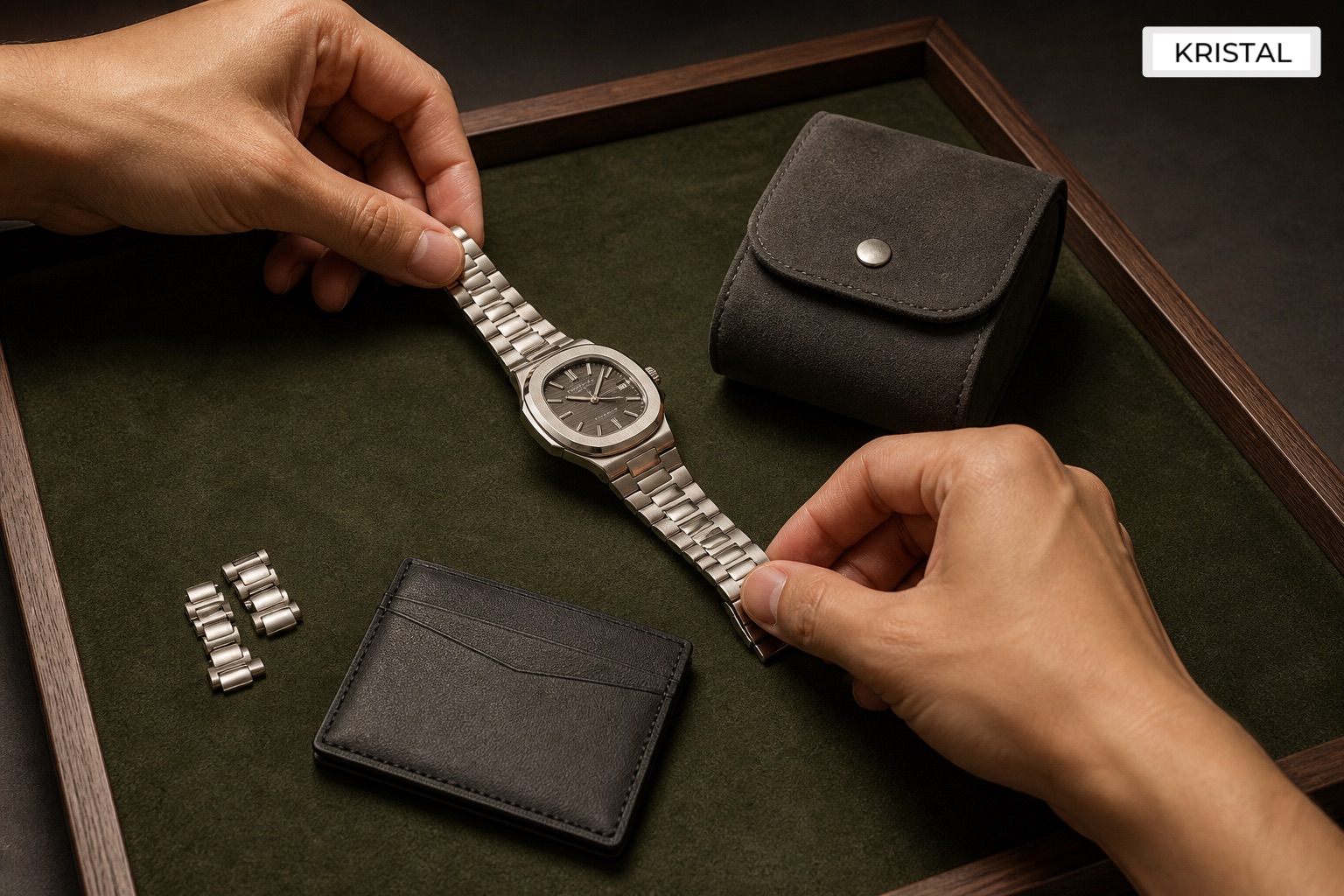
You should know what happens if the conversation moves forward. Where does the handover happen? What details should be confirmed before the watch changes hands? How are the box, card, spare links, service papers, strap, buckle, and condition record documented? What should you keep in your own notes before the next step?
A careful buyer does not treat handover like an afterthought. They should make it easier for you to keep the watch, the accessories, and the route discussion aligned. That matters even more if you are comparing more than one buyer or if another family member is involved in the decision.
For the physical next-step checklist, use the watch handover guide. If you are helping the owner rather than acting as the owner, add the watch-for-someone-else guide before the file gets messy.
6. Look for a Traceable Contact Path, Not Just a Chat Window
A real buyer should be easy to reach through a stable contact path. That does not mean every buyer needs the same setup. It does mean you should be able to see how the next step works and where the business can actually be found. If every answer depends on one disappearing message thread, the process gets harder to trust.
For Kristal-specific contact and location checks, use the contact page and the locations page. When you screen any buyer, ask a simpler question: if something becomes unclear, do I know where the process continues and who is accountable for the next step?
Red Flags That Usually Mean You Should Slow Down
- the buyer will not explain what supports the first quote
- the route keeps shifting between direct sale and consignment without a clear reason
- payout timing stays vague even after you ask directly
- inspection changes are described as unlimited or left completely unexplained
- the buyer sounds certain before asking about reference, service history, or watch completeness
- there is no clear handover path or record of what is included
None of those points automatically prove bad intent. They do tell you to slow down. A clean sale usually feels clearer as you ask better questions, not murkier.
What to Prepare Before You Contact a Buyer
- Current photos of the dial, case, sides, crown, clasp, bracelet or strap, caseback where relevant, and obvious wear points.
- A short note on brand, reference, running state, and whether anything important is missing, changed, or uncertain.
- Photos or notes for the box, card, invoice, service receipts, spare links, extra strap, buckle, or other extras you still have.
- Your actual priority: fastest payout, best comparison, lowest friction, or openness to a slower route.
- The questions you want answered before any inspection, handover, or commitment.
This keeps the conversation practical. It also helps you spot which buyer is reading the file carefully and which buyer is throwing out a number too early.
Frequently Asked Questions
Should I contact more than one luxury watch buyer in Malaysia?
Usually yes, if you want a better sense of process and not just price. The useful comparison is not only the number. It is how clearly each buyer explains the route behind it.
Is a higher first quote always the better option?
No. A higher first quote can still lead to a weaker process if inspection rules, payout timing, or route clarity stay vague.
What if I am not sure whether I want direct sale or consignment?
Say that early. A good buyer should help you separate the route question from the watch-file question instead of blending them into one fuzzy promise.
Do I need the full box and papers before asking for a first quote?
No, but it helps to say clearly what you do and do not have. A cleaner file usually produces a more useful first answer.
What is the safest mindset before I hand over the watch?
Keep the route, inspection logic, included accessories, and payout timing clear in your own notes before the next step happens.
Choose the Process, Not Just the Number
If you are choosing a luxury watch buyer in Malaysia, look past the first attractive quote and judge the process around it. A stronger buyer is easier to understand, easier to question, and easier to trace from first message to final handover.
If you want a photo-first review for an accepted watch, check the accepted brands page and then use the contact page. If you still need the route or handover logic first, keep the broad watch selling guide and the handover guide open alongside this page.