If you receive two different cash offers for the same luxury watch in Malaysia, do not assume the highest number is automatically the best choice. A stronger offer is not just about the headline amount. It is also about what must happen before payout, how much inspection risk still sits underneath the number, how complete the watch file is, and whether the route actually fits what you want from the sale.
This page owns one narrower seller question: how to compare real direct offers after replies have started coming in. If you still need the broad route explanation first, start with the main luxury watch selling guide. If you are still trying to understand what shapes an early estimate at all, read the watch valuation guide. This guide starts one step later, when the seller is already deciding which offer is actually safer, cleaner, or more realistic.
Short Answer
Compare a luxury watch cash offer in Malaysia on five things at the same time:
- the actual headline number
- what still needs inspection or confirmation before that number holds
- how fast payout really happens once the watch is approved
- what accessories, service history, or condition details the offer assumes
- whether the route fits your risk tolerance and timing
A lower offer can still be better if it is clearer, cleaner, and less likely to change later. A higher offer can be weaker if it depends on assumptions that have not been proven yet.
What To Compare First
| Question | Stronger signal | Weaker signal |
|---|---|---|
| How specific is the number? | The offer states what watch setup, condition, and accessories it assumes | The number is broad, vague, or unsupported |
| What happens before payout? | Inspection steps are explained clearly | The process stays fuzzy until the last minute |
| How stable is the offer? | The reviewer explains what could change it and why | The number sounds firm but the conditions are never stated |
| How fast is payment really? | Timing is tied to approval and route fit, not just promise language | “Fast payout” is used without practical detail |
| Does the route fit your goal? | The offer matches whether you want speed, simplicity, or a slower higher-risk route | The number is judged in isolation |
Why Two Cash Offers For The Same Watch Can Look Different
Two buyers or two reviewers can look at the same watch and still arrive at different cash numbers. That does not automatically mean one side is wrong. It usually means they are pricing different assumptions, different risk, or a different route.
One offer may assume the watch is a straightforward direct-sale candidate with no serious originality or service concerns. Another may price more cautiously because the photos leave questions open, the bracelet is incomplete, the service history is unclear, or the brand and reference normally attract heavier scrutiny. That difference matters even before the watch is physically handed over.
This is where sellers sometimes confuse valuation with offer comparison. A valuation page explains what usually changes a first estimate. An offer-comparison page asks a more practical question: now that real numbers are on the table, which one is actually more usable?
If the watch file still needs work, go back to the watch photo checklist or the box-and-papers guide before assuming the bigger number is the better result.
If you are also comparing these offers with an insurance figure, the guide to watch insurance valuation versus resale valuation explains why they can differ. Keep the insurance document separate from the direct offers you are weighing up.
Look At The Assumptions Under The Number
A cash offer only means something if you know what it assumes. Ask yourself:
- Does it assume the watch is original in all the key areas?
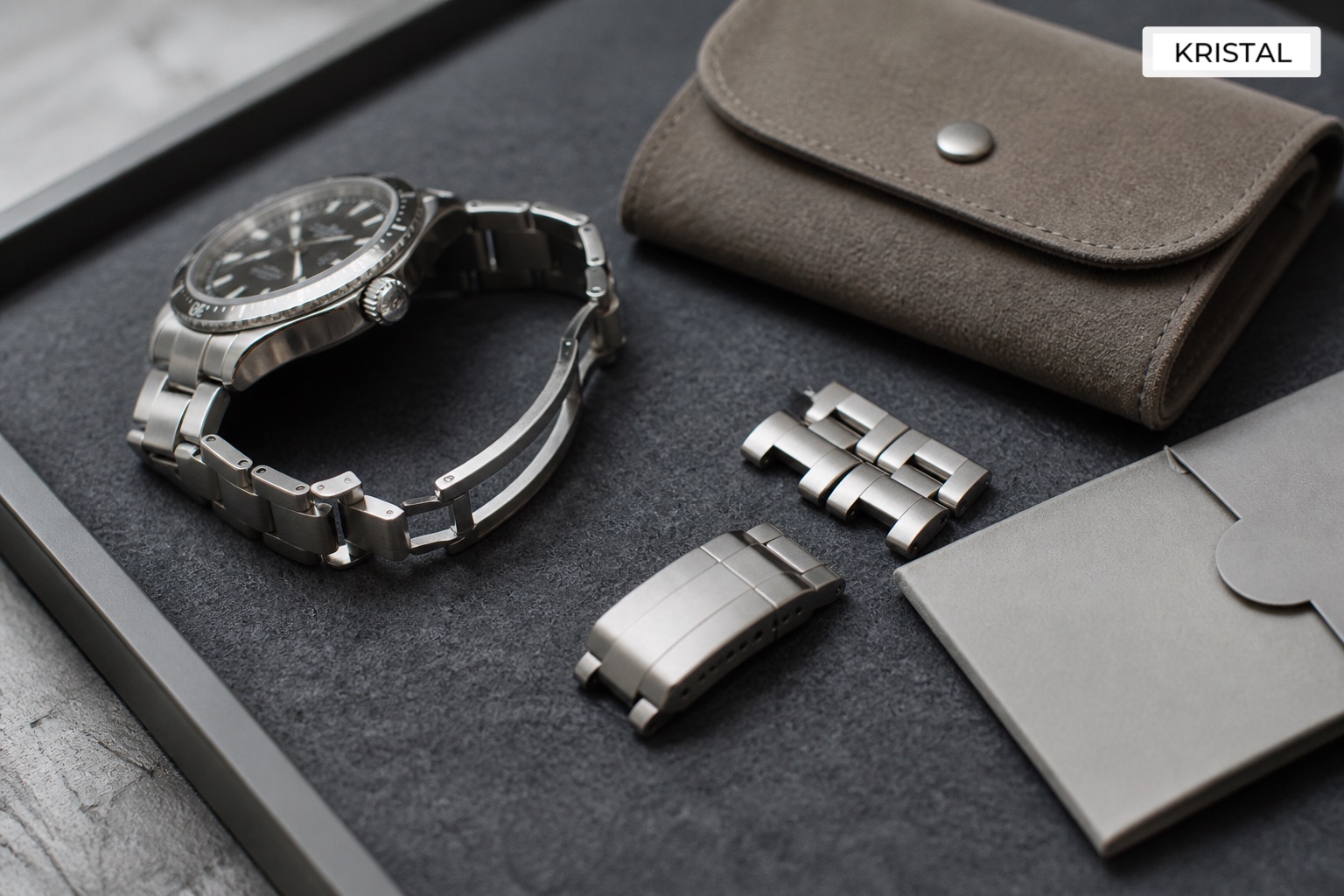
- Does it assume the bracelet, clasp, strap, buckle, or spare links are complete?
- Does it assume the service history is known?
- Does it assume the visible condition in photos matches the real watch closely?
- Does it assume the watch has not been polished heavily or modified?
If one number was given after a more careful review and another was given after only a quick glance, those two offers are not equally strong. The more specific offer may be more useful even if it is not the highest on paper.
This matters even more for scrutiny-heavy watches. A Rolex seller may see bigger differences when bracelet stretch, polish history, dial originality, and service paperwork are still unclear. A Richard Mille seller may see even wider spacing because provenance, service integrity, and component originality can carry much more weight.
Do Not Judge The Offer Amount Without The Inspection Risk
Some sellers focus only on the first number and ignore how likely it is to survive inspection. That is where bad comparisons happen.
A practical offer should make the inspection stage feel predictable. It should be clear what still needs to be verified and what kinds of findings could change the number. If the watch has a soft-running movement, moisture concerns, unclear replacement parts, a clasp issue, or bracelet mismatch, those are not small details. They can be the real reason one quote looks stronger than another.
This is also why an aggressive offer can be fragile. It may look attractive early because it leaves hard questions unresolved. A slightly lower offer can be better if it already accounts for likely review friction instead of pretending it does not exist.
If the watch still needs a decision on pre-sale intervention, read the service-or-polish guide before you compare numbers too literally. A watch with fresh cosmetic work or unclear service decisions can move very differently from one with an honest unchanged file.
Compare Payout Clarity, Not Just Payout Speed
Fast payout sounds strong, but the real question is whether the payout path is clear. A same-day result may be realistic in the right case, but speed does not matter much if the offer still depends on unresolved inspection surprises or incomplete seller information.
That is why timing should be compared in layers:
- how quickly a real answer was given
- whether the answer was conditional or specific
- what still has to be checked in person
- when payment actually happens after approval
- whether the seller is comfortable with that path
If you are comparing a fast but fragile number against a slightly slower but cleaner number, the second one may be stronger. If payout timing is your main decision point, pair this page with the same-day payout guide instead of treating speed as the only sign of quality.
When A Lower Offer Can Still Be The Better Offer
A lower offer may still be the better choice when it does more of the following:
- states the watch details more accurately
- shows fewer hidden assumptions
- makes the inspection process easier to understand
- matches your preferred timing and effort level
- looks less likely to change sharply at the final review
This does not mean sellers should accept weak offers casually. It means the strongest comparison is not always between “high” and “low.” It is between “clear and realistic” and “attractive but unstable.”
That distinction matters when the difference between two offers is small. If one route is simpler, asks cleaner questions, and makes the watch review feel better anchored in reality, that may be worth more than squeezing for a slightly bigger number that carries more uncertainty.
Questions To Ask Before You Say Yes
- What exact watch setup is this offer based on?
- What documents, service records, or accessories still need to be seen?
- What parts of the number could still change after inspection?
- Is the offer intended as a direct cash route or a slower alternative path?
- How soon is payout expected after the watch is approved?
- What should I bring or show at handover?
Those questions often tell you more than one more round of loose bargaining. If a reviewer can explain the structure clearly, the offer is usually easier to judge. If the answers stay vague, the headline number may be carrying more risk than it first appears.
How To Prepare A Cleaner Offer Comparison
If you want a fairer comparison, keep one consistent watch file across every conversation. That means:
- use the same current-condition photos
- list the same accessories and missing pieces every time
- state the same service history and known issues
- do not describe the watch more optimistically in one conversation than another
- note whether your goal is speed, simplicity, or maximum reach
A messy comparison creates messy results. If one reviewer sees the full file and another sees only partial context, the offers are not directly comparable.
That is also why the handover stage matters. Once you are close to choosing, use the watch handover guide so the final set, condition, and transport details still match what the chosen offer assumed.

When You Should Pause Instead Of Choosing Immediately
Pause before choosing an offer if:
- the watch has unresolved originality questions
- the service history is unclear and clearly affecting the spread
- the photos were weak and different reviewers are reacting to different assumptions
- one offer sounds much higher but the conditions are poorly explained
- you still do not know whether speed or certainty matters more to you
In those cases, improving the file can matter more than pushing one current number. Better photos, a cleaner accessories list, honest condition notes, or a more direct answer about what you want from the sale can make the next comparison more useful.
FAQ
Why is one watch offer higher than another for the same watch?
Usually because the two sides are pricing different assumptions around originality, condition, completeness, service history, route fit, or inspection risk. The number alone does not tell you which offer is stronger.
Should I always take the highest cash offer?
No. A higher offer can still be weaker if it is vague, heavily conditional, or more likely to change after inspection. A slightly lower offer can be better if it is clearer and more stable.
Does same-day payment mean the offer is better?
Not by itself. Fast payout is useful only if the route is clear and the watch still supports that timeline once reviewed properly.
What if my watch has no box or papers?
You can still compare offers, but make sure every reviewer is working from the same completeness picture. If not, the numbers may look more different than they really are. For more on that, read the box-and-papers guide.
What if one offer changes after inspection?
That depends on why it changed. If the reason is clear and ties back to a real condition, originality, or completeness issue, the change may be understandable. If the offer was vague from the start and the conditions were never explained, that is a weaker comparison structure.
Related Reading
- How to Sell a Luxury Watch in Malaysia: Direct Sale vs Consignment
- Luxury Watch Valuation in Malaysia: What Changes a Realistic Selling Estimate?
- Can You Get Paid the Same Day for a Luxury Watch in Malaysia?
- How to Pack and Hand Over Your Luxury Watch Safely After Accepting a Quote in Malaysia
Final Advice
If you are comparing cash offers for a luxury watch in Malaysia, do not stop at the number. Compare the assumptions, the inspection risk, the payout clarity, and the route fit. The better offer is usually the one you understand best, not just the one that sounds best at first glance. If you want a cleaner watch review before choosing the next step, use the contact page or check practical next-step details on the locations page.