If you are thinking about luxury watch consignment in Malaysia, the main payout question is simple: you usually do not get paid when the watch first enters the discussion. You usually get paid after the watch is actually sold and the sale is treated as complete under the agreed terms. That is why consignment is a different decision from a fast direct sale.
This page is for sellers who are open to the slower route and want to understand what happens between the first review and the final payout. If your main goal is immediate cash, start with the same-day payout guide. If you still need the broader route choice first, keep the main luxury watch selling guide open as well. This page owns a narrower question: when consignment money usually gets released, and what tends to slow it down.
Quick Answer: When Do You Usually Get Paid on Watch Consignment?
| Stage | What it usually means | What can still delay payout |
|---|---|---|
| First review | The watch, route fit, and seller expectations are still being checked | The file is weak, the route is unclear, or the seller expects direct-sale timing from a consignment route |
| Consignment accepted | The watch is suitable enough to enter a slower sale process | Terms, reserve expectations, documents, or handover details are still incomplete |
| Buyer found | A real buyer has been matched and the sale is moving | Payment confirmation, final checks, or agreement steps are not fully closed yet |
| Payout released | The sale has cleared the agreed completion point and funds can move to the consignor | Final completion conditions in the consignment process were not yet satisfied |
The practical answer is that consignment payout usually happens after the watch sells, not before. If you want money first and a retail sale later, you are usually asking for a different route.
Why Consignment Payout Feels Slower Than Direct Sale
A direct sale usually centers on one earlier question: is there a clear enough watch and a clear enough offer to move now? Consignment adds another layer. The watch still has to be reviewed properly, but the payout normally depends on a later buyer event rather than on an immediate transfer once the first answer looks good.
That difference is where many sellers get frustrated. They hear that consignment may be worth asking about, then assume the payout timing will still feel close to a direct deal. Usually it does not. A slower route can still make sense for the right watch and the right seller, but only when the seller is genuinely comfortable waiting for the watch to sell before expecting payout release.
This is also why the consignment payout page stays different from the same-day payout guide. That page answers whether a direct route can move fast. This page answers what usually needs to happen on the slower route before money is actually released.
What the Usual Consignment Sequence Looks Like
- First review: the watch file is checked for model clarity, condition, originality, completeness, and route fit.
- Consignment discussion: the seller confirms that a slower sale is acceptable and that the payout will depend on the watch selling under the agreed structure.
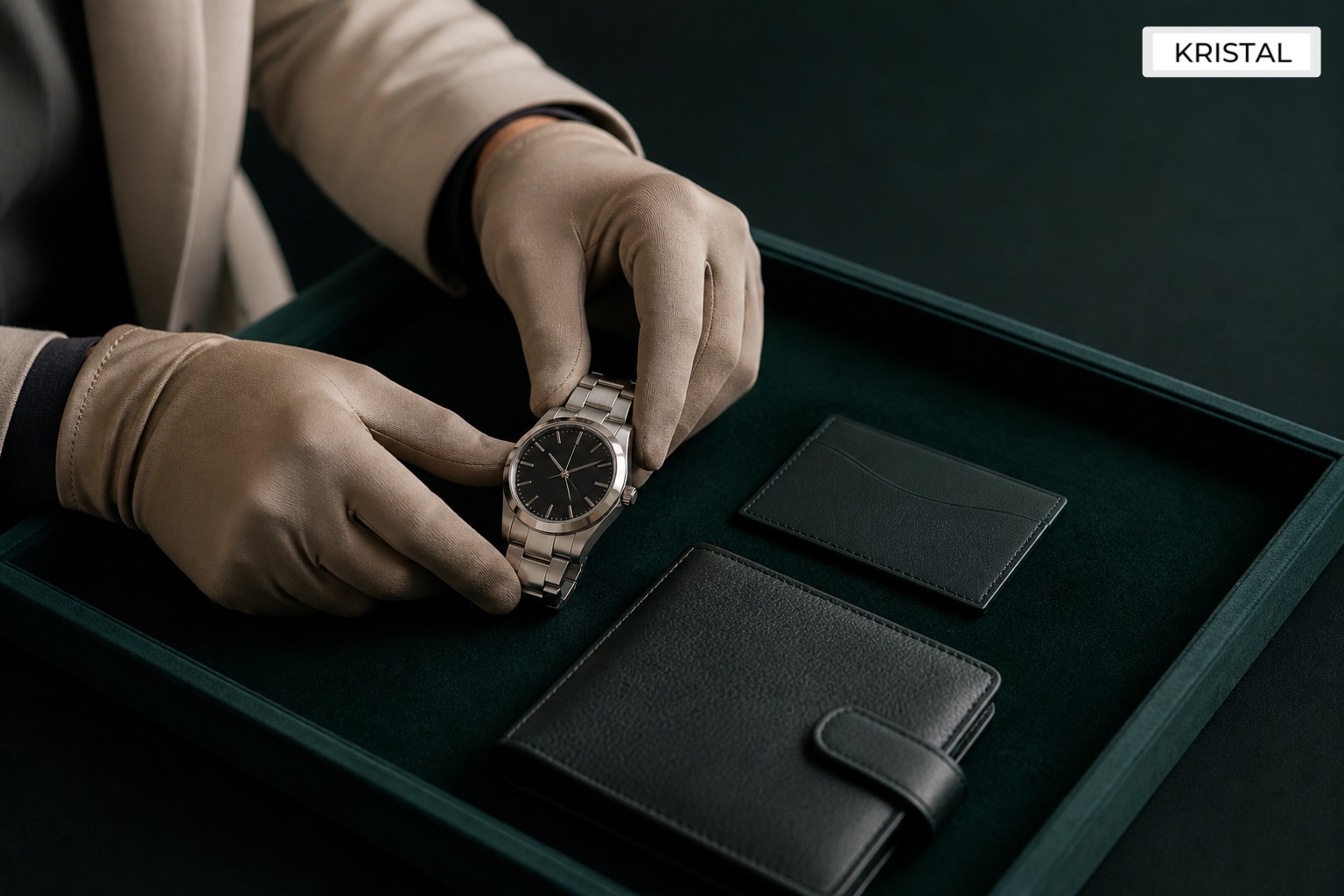
- Watch handover or intake: the practical possession, documentation, and sale-readiness details are tightened.
- Buyer match and sale completion: the watch is actually sold through the consignment process.
- Payout release: funds are released once the sale reaches the completion point set by the consignment arrangement.
That sequence sounds obvious, but it matters because sellers often skip step two in their own mind. They agree to talk about consignment while still expecting the emotional certainty of a direct sale. If the watch is on a consignment path, the payout belongs later in the chain.
If you already know you need the broad route comparison again, go back to the main route guide. If you already have a direct-sale number and want to judge whether the faster option is cleaner, compare that with the watch cash-offer comparison guide.
What Sellers Should Clarify Before Accepting a Consignment Route
The cleanest consignment files are not the files with the most optimism. They are the files with the fewest hidden assumptions. Before you move forward, clarify these points directly:
- when payout is expected to happen in the consignment process
- what event counts as a completed sale for payout purposes
- whether any documentation, identity, or ownership checks are still pending
- whether the seller is comfortable waiting instead of pushing for same-day or near-same-day cash
- what happens if the watch needs a different route after closer review
Those questions do not make the process difficult. They keep the seller from confusing a slower route with a faster one. If the watch still needs better documentation before anyone can even judge route fit, fix that first with the watch photo checklist or the box-and-papers guide.
What Usually Delays Consignment Payout
Most delays are not mysterious. They usually come from one of a few practical gaps:
- the seller expects direct-sale speed from a consignment route
- the watch file looked stronger in the first message than it did on closer review
- ownership, identity, or supporting paperwork was not fully clear
- the handover stage created new questions about condition, originality, or completeness
- the watch simply needed time to reach a real buyer through the slower route
That last point is the one sellers resist most. A consignment route may still be reasonable, but it works only when time is treated as part of the route instead of as a surprise problem. If a seller already knows that waiting will feel intolerable, it is usually better to admit that early and revisit whether direct sale is the cleaner fit.
Does a Stronger Watch Get Paid Faster on Consignment?
Sometimes a stronger file helps the overall process move more cleanly, but it does not turn consignment into instant cash. A strong watch, clear condition notes, better paperwork, honest originality details, and a cleaner handover can all reduce friction. They do not erase the fact that consignment payout still sits after the sale is completed.
This is where sellers often benefit from splitting the question in two. First ask whether the watch is a plausible consignment candidate at all. Then ask what the payout sequence looks like if it goes down that route. Mixing those questions together usually produces vague expectations instead of a clear plan.
When Direct Sale Is Probably the Better Fit
If you already know your priority is speed, simplicity, or earlier certainty, direct sale is usually the cleaner route. That does not mean consignment is bad. It means consignment solves a different seller problem. It is a slower path for sellers who accept that the payout follows the sale rather than leading it.
If you are still deciding between those routes, compare this page with the same-day payout guide and the broad watch route guide. If your real question is how to hand over the watch cleanly once the next step is agreed, keep the watch handover guide nearby too.
Questions to Ask Before You Agree to Consignment
- What normally triggers payout release on this route?
- What documents or ownership proof still need to be checked?
- What should I expect if the watch needs a different route after review?
- Am I actually comfortable waiting for the watch to sell?
- If speed matters more than upside, should I ask for a direct-sale route instead?
If you answer those questions honestly, the route becomes much easier to judge. Many sellers do not need more information. They need a cleaner decision about what kind of waiting they are truly willing to accept.
Frequently Asked Questions
Do you get paid as soon as a watch is accepted for consignment?
Usually no. Acceptance into a consignment route and final payout are normally different stages.
Can consignment still be worth it if I do not need money immediately?
Sometimes yes. It depends on the watch, the file quality, and your comfort with a slower payout path.
What is the biggest mistake sellers make on watch consignment?
They agree to a slower route while still expecting the timing of a fast direct sale.
Does better paperwork change consignment payout timing?
It can help the process move more cleanly, but it does not remove the need for the watch to sell before payout is released.
Should I ask about direct sale and consignment at the same time?
Usually yes, if you are undecided. It is better to compare routes early than to assume one route behaves like the other.
Ask the Right Payout Question Before You Commit
If you are considering luxury watch consignment in Malaysia, do not ask only whether the watch can be consigned. Ask when payout is usually released, what counts as a completed sale, and whether that timeline fits your real priority. That is the difference between choosing a route on purpose and walking into the wrong expectation.
If you want help reviewing the watch and deciding whether a direct route or consignment makes more sense, use the contact page. If you need the physical handover details after that decision, keep the locations page and the watch handover guide nearby.