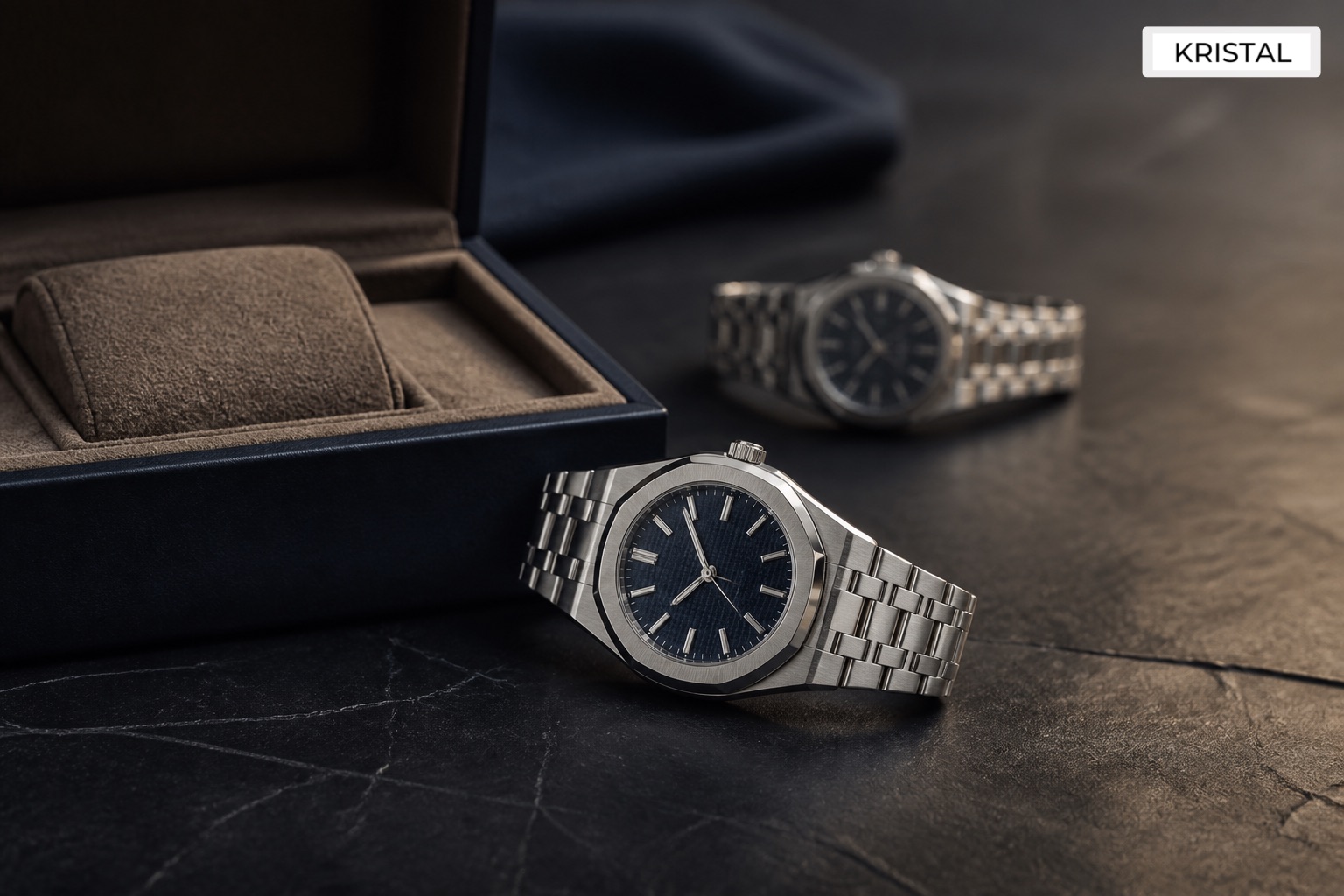
If you want to move from one luxury watch to another in Malaysia, a trade-in can sound cleaner than a straight sale. You hand over the current watch, apply its value toward the next piece, and avoid running two separate transactions. That convenience is real, but it is not automatically the better financial or timing choice.
This guide is for sellers who are deciding whether a luxury watch trade-in is actually better than selling first. If you still need the broader route overview, start with the main luxury watch selling guide. If you are already comparing buyers before the first quote, keep the watch buyer-screening guide nearby. This page answers a narrower question: when does a trade-in fit the goal better than a direct cash sale or a slower consignment route?
Quick Answer: When Does a Luxury Watch Trade-In Make Sense?
| Situation | Trade-in may fit when | A direct sale may fit better when |
|---|---|---|
| You already know the next watch you want | You want one transaction and a clear value offset | You want to shop more widely after cash is already in hand |
| Convenience matters more than absolute flexibility | You prefer less back-and-forth and one review process | You want to separate the sale decision from the replacement decision |
| You are comparing upgrade paths | You want to judge the net difference rather than only the sale price | You want the cleanest view of what your current watch can achieve on its own |
| Timing matters | The replacement piece is already available or realistically obtainable | You need immediate cash or do not want your next step tied to another item |
| You are unsure about route fit | You can still ask how the trade-in value was formed and what may change after inspection | You need cleaner price discovery before committing to any replacement watch |
The short answer is simple: a trade-in is strongest when you already know the replacement goal and value convenience more than maximum flexibility. If you still need clean price discovery, selling first is often easier to judge.
What a Trade-In Really Changes
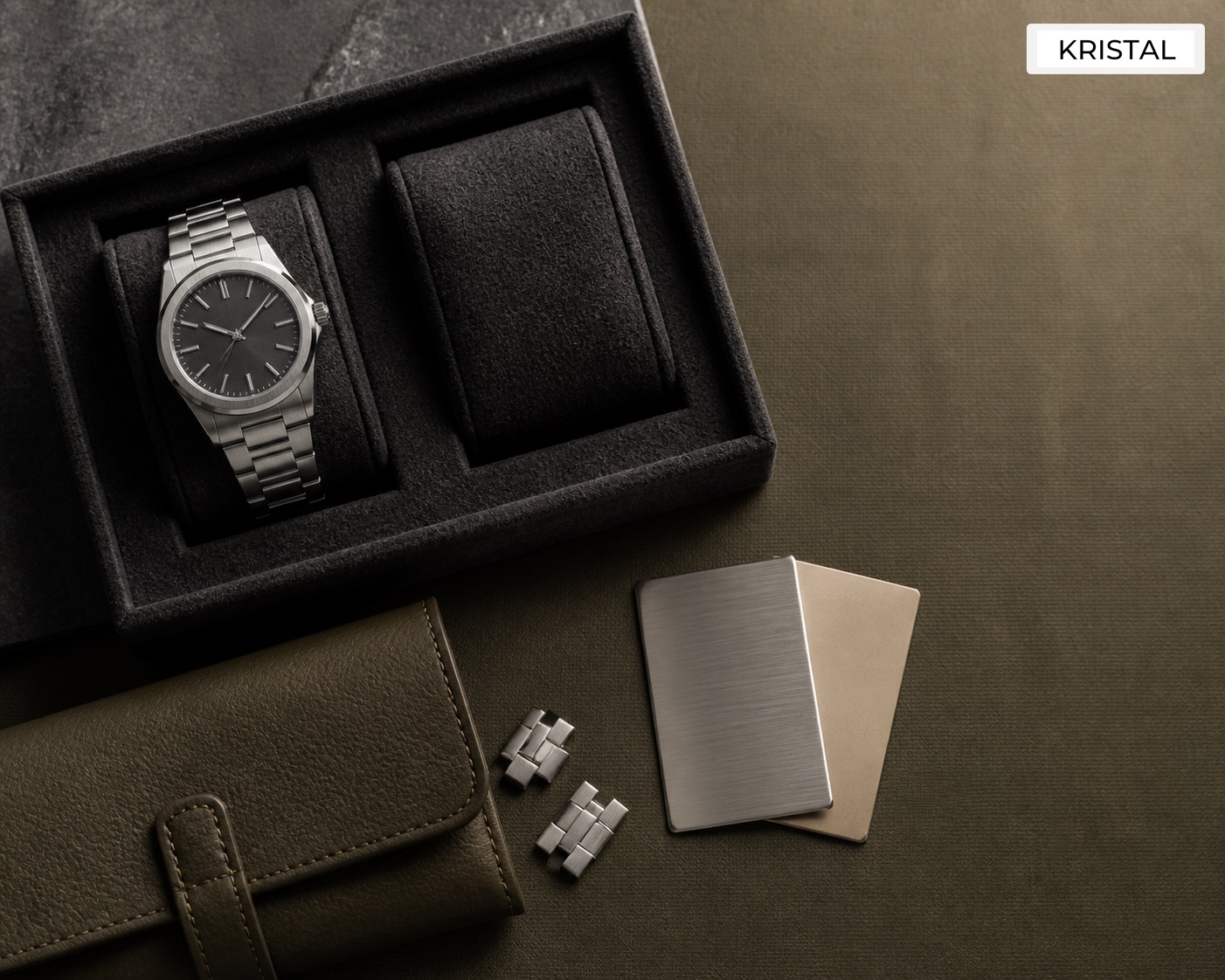
A normal sale asks one question first: what is the current watch worth on the route you are considering? A trade-in adds a second question immediately after that: what are you trying to move into next, and does tying the two decisions together actually help you?
That is why trade-in should not be judged only by whether the first number feels high or low. The useful comparison is the total decision. What is the review saying about your current watch? What is the value offset against the next piece? How much flexibility do you lose by tying the current watch to one replacement path instead of keeping cash separate?
If you only look at one side, the process gets blurry. You may focus on the promise of an upgrade and miss that the sale side was never explained clearly. Or you may reject a workable trade-in because the cash figure looks smaller without comparing the overall difference you would actually pay.
1. Trade-In Usually Fits Best When You Already Have a Replacement Goal
The strongest trade-in cases are usually simple. You already know the kind of watch you want next. You are not trying to cash out completely. You are trying to reduce the amount of new money needed for the next step.
In that situation, a trade-in can remove friction. The current watch is reviewed, the replacement path is discussed in the same conversation, and you can focus on the net top-up or offset instead of running a sale first and then starting over somewhere else.
That does not mean trade-in is automatically the better economic result. It means the route can be cleaner when your real goal is replacement rather than pure exit.
2. Selling First Usually Fits Better When You Want a Clean Cash Decision
If your real question is what your watch can achieve right now, a direct sale is often the clearer starting point. You can compare the watch on its own, judge how buyers explain the number, and decide what to do with the cash after that.
This matters when you are not yet sure which watch comes next, or when you want the freedom to pause, compare more options, or buy later from a different channel. A direct sale keeps the two decisions separate. That often makes the negotiation easier to understand.
If you are still testing buyer quality before any route decision, pair this page with the watch buyer-screening guide. If you already have several direct-sale responses, compare them against the watch cash-offer comparison guide before assuming a trade-in is cleaner.
3. Ask How the Trade-In Value Is Actually Built
A serious trade-in conversation should still begin with a real watch review. The buyer should explain what they need to see before the trade-in figure means anything: reference details, current condition, service history, originality questions, bracelet or strap completeness, and what comes with the watch.
If the trade-in value appears instantly without any file detail, that is not a strength. It usually means the number is too loose to judge. A better process sounds more grounded. The buyer explains what they can say from photos, what still depends on inspection, and how the value offset connects to the replacement watch.
For file preparation, keep the watch photo checklist, the box-and-papers guide, and the watch valuation guide close. Trade-in still depends on the same fundamentals as any other serious first review.
4. The Replacement Watch Matters More Than Sellers Expect
A trade-in is not only about your current watch. It is also about the replacement watch and whether that replacement is actually available, suitable, and priced in a way that makes the exchange sensible. If the replacement side stays vague, the trade-in can feel convenient too early.
Ask plain questions. Is the replacement watch already identified? Is the value difference being discussed against a real piece or a broad idea? If the replacement route changes later, does the trade-in conversation still hold up? A clean process should not depend on a foggy second half.
This is where some sellers realize they do not want a trade-in at all. They want clearer sale proceeds first, then the freedom to choose the next piece later. That is not hesitation. It is often better route discipline.
5. When Trade-In Is Usually Worse Than a Direct Sale
- you need immediate cash more than a replacement watch
- you are still unsure what you want next
- you want to compare multiple purchase channels after the sale
- the trade-in figure was given without enough watch detail
- the replacement watch is not clearly available or still loosely defined
- you cannot tell how the net difference was calculated
In those cases, selling first is often cleaner. It may take one more step, but it gives you better visibility into what your current watch achieved and what freedom you still keep afterward.
6. When Consignment May Still Be the Better Question
Some sellers compare trade-in only against direct sale, but the real alternative may be consignment. That is usually relevant when speed matters less, the watch is stronger as a slower-placement file, and you are willing to wait instead of closing the decision quickly.
Trade-in is not the same as consignment. A trade-in is still about moving value from one watch into another. Consignment is about waiting for a later sale outcome. If you are mixing those two ideas together, slow down and separate the route question first.
If you are still deciding whether the slower route is worth asking about, compare this page with the watch consignment payout guide and the broad watch route guide.
Questions to Ask Before You Agree to a Watch Trade-In
- Was the trade-in value built from the actual watch file or only a rough first impression?
- What details could still change after physical inspection?
- Is the replacement watch already identified clearly enough to judge the net difference?
- Would the direct-sale route look different if you separated the current watch from the replacement decision?
- What documentation, accessories, and service records should be prepared before the next step?
- What happens if you decide not to proceed with the replacement watch after the review?
These questions do not make the process difficult. They make it legible. A serious buyer should be able to answer them without turning the route into a sales script.
Frequently Asked Questions
Is trade-in always worse than selling a luxury watch directly?
No. It can be the cleaner route when you already know the replacement goal and value convenience more than keeping cash separate.
Should I still ask for a direct-sale view before agreeing to a trade-in?
Usually yes, especially if you want to judge the watch on its own first. That gives you a clearer baseline before the replacement side changes the conversation.
What if I do not have the full box and papers?
You can still ask for a review, but say clearly what is missing. Completeness still affects how confident any trade-in number can be.
Can trade-in be faster than selling and buying separately?
Sometimes yes, if the replacement watch is already defined and the review process is organized. If the replacement side is vague, the convenience can disappear quickly.
What mindset helps most before I choose a trade-in route?
Judge the full decision, not only the first number. Ask whether the trade-in makes the next step clearer or merely bundles two unclear decisions together.
Choose Trade-In Only When It Makes the Next Step Clearer
A luxury watch trade-in in Malaysia can be a smart route when it simplifies a real upgrade plan. It is weaker when it hides what your current watch is worth or locks you into a replacement decision that is still too vague.
If you want a photo-first review for an accepted watch before deciding between trade-in, direct sale, or consignment, start with the accepted brands page and then use the contact page. If you still need route context first, keep the broad watch selling guide and the locations page open alongside this page.