If you feel like one luxury bag gets a quick reply while another sits in slower review in Malaysia, the difference is usually not one secret trick. It is usually a mix of model clarity, condition, completeness, route fit, and how easy the bag is to assess from the first file.
This page is about that early demand-friction question. It is not another broad route explainer, it is not only a valuation page, and it is not a brand-ranking list. If you still need the big route overview first, read the main Malaysia selling guide. If you want the older brand-led view on resale familiarity, read the resale-value guide. This page answers a narrower question: why does one bag feel easier to move early, and what usually slows another one down?

Quick answer: what usually makes one bag move faster?
| What the buyer sees early | What usually happens | Why it matters |
|---|---|---|
| clear model, current photos, honest condition, and a complete enough file | cleaner or faster first response | the bag is easier to place into a realistic route without extra guessing |
| unclear model details, weak photos, uncertain extras, or vague seller goals | slower or more cautious reply | the review has to spend more time clarifying basics before route fit is obvious |
| niche demand, heavier wear, past repairs, or mixed condition signals | more selective follow-up | the bag may still be sellable, but it usually needs a more precise first file |
That does not mean a slower bag is unsellable. It usually means the bag needs a clearer case, a more realistic expectation, or a route that matches what the item actually is. If your main concern is route speed after you are already ready, compare this with the fastest-selling guide.
What “sells faster” really means
Sellers often use the word fast to describe three different things at once: getting a first reply, getting a firm route decision, and getting paid. Those are related, but they are not the same stage.
A bag can attract a quick first reply because the file is easy to assess, yet still take longer to close if the chosen route is slower. Another bag may get a cautious first response because the file is incomplete, even though the eventual route could still work once the details are clearer. If you need the later-stage timing view, use the selling timeline guide.
1. Recognisable model clarity still matters early
Some bags are simply easier to place quickly because the exact line, size, shape, and main configuration are easy to identify from the first message. That does not guarantee a better offer. It usually means less early friction.
A familiar model with clear structure, readable proportions, and obvious details is easier to route than a bag with uncertain variant details, older naming differences, or incomplete photo angles. If you need a rough expectation range before you start, compare this with the estimate guide.
2. Condition clarity matters more than a polished story
A bag that is clearly shown usually moves more cleanly than a bag that is described optimistically but photographed vaguely. Buyers do not need a perfect bag first. They need a bag they can assess without too much guesswork.
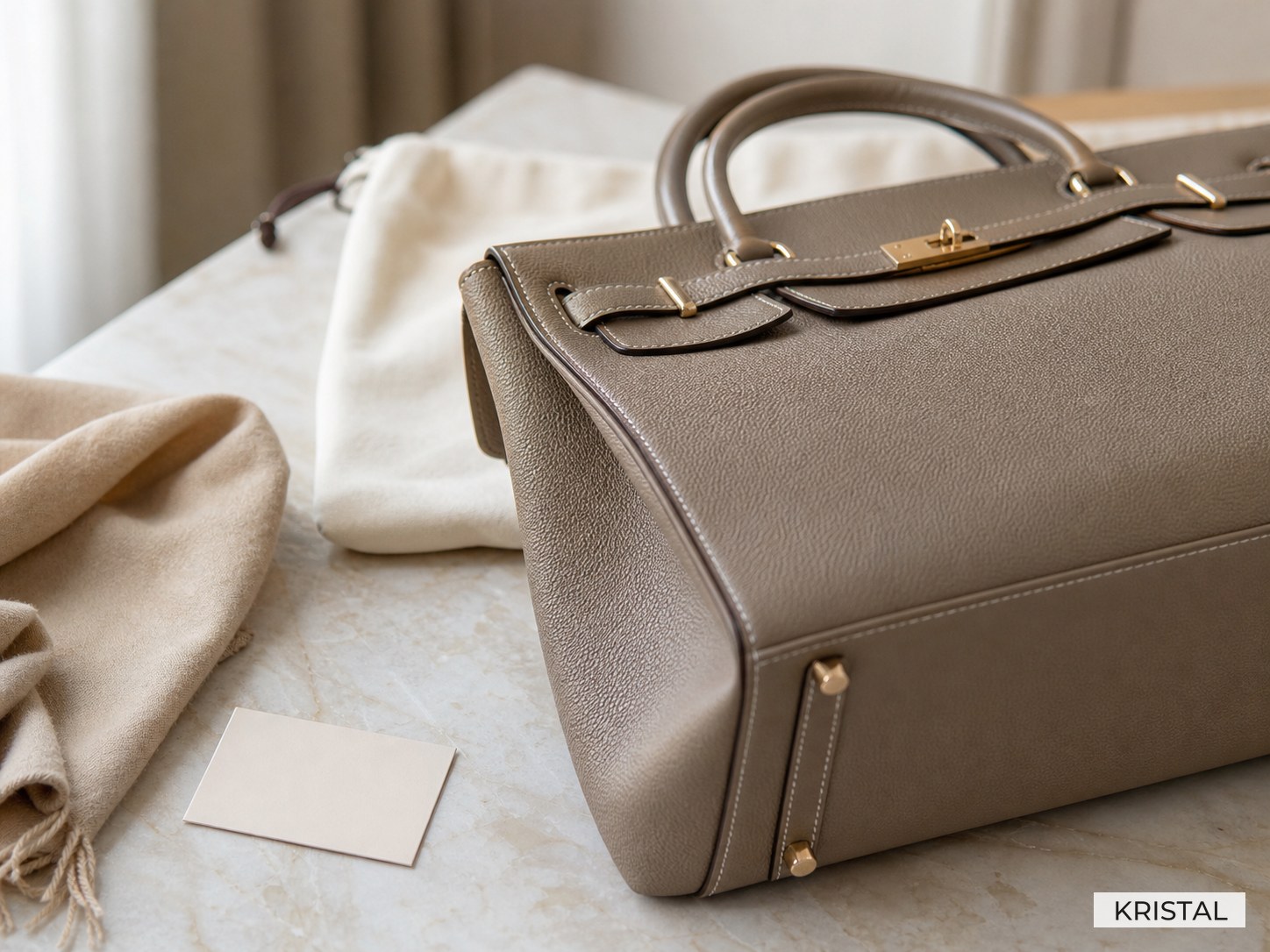
That is why shape retention, corners, handles, hardware, glazing, base wear, and interior condition matter so much in the first review. Honest condition usually helps more than trying to hide weak points behind soft lighting or cropped angles. If you need the structure for that description, use the condition guide and the photo checklist guide.
3. A complete enough file usually gets easier early interest
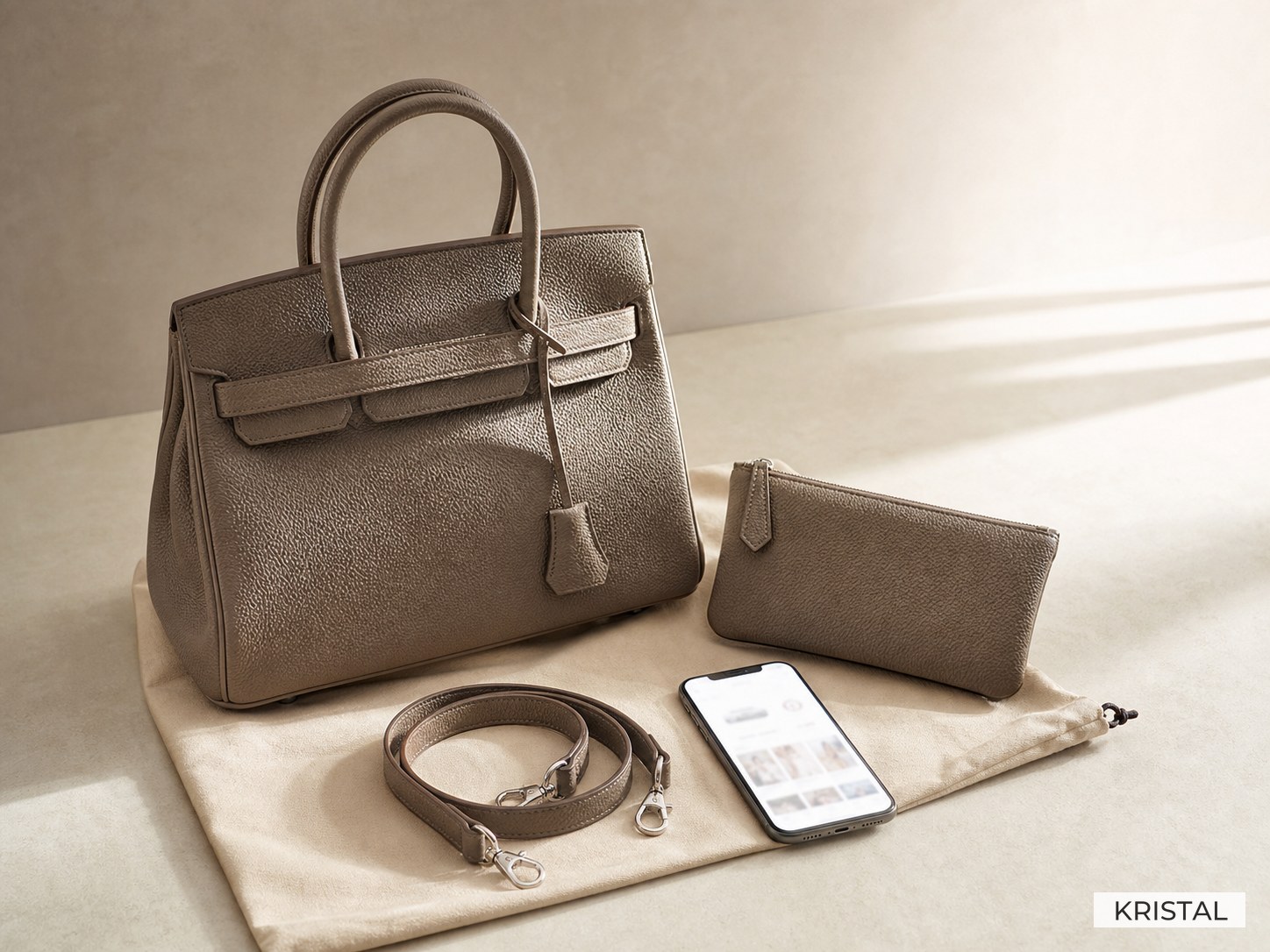
Completeness does not mean every seller needs a perfect box-and-paper set. It means the first file should make the real bag easier to understand. A detachable strap, pouch, lock, dust bag, or other relevant extras can help because they reduce uncertainty around what is actually included.
This is one reason two similar bags can move at different speed even when the brand is the same. The bag with clearer included parts is often easier to place early. If your bag is strong but the extras are incomplete, that does not end the discussion. It just means the presentation must be more exact. If this is your main issue, compare it with the full-set guide.
4. Route fit changes how easy the bag feels to move
Some bags feel slow not because the item is weak, but because the seller is trying to force the wrong route. A direct sale conversation usually reacts best to clarity, realism, and seller readiness. A slower route may still fit a desirable bag, but only when the seller is choosing patience on purpose.
This is why the same bag can feel easier or harder depending on the route expectation attached to it. If the seller says speed matters but the expectation sounds closer to a slow-exposure route, friction rises early. If you are still deciding whether patience is justified, compare this with the consignment-worth guide and the sell-now-or-wait guide.
5. Seller-side friction can slow even a good bag
Sometimes the bag is not the main problem. The first file is. A strong bag can still feel slower than it should when the photos are old, the seller has not decided whether speed matters, repairs are mentioned too late, or multiple bags are mixed into one unclear message.
- mixed old and new photos make it harder to trust the current state
- unclear seller goals make route fit harder to judge early
- missing repair disclosure creates caution later
- one weak bag can slow a whole batch when several are sent together
- vague accessory notes force extra follow-up before the route becomes clear
If you are sending more than one item, sort the batch first with the collection-selling guide so the clearer pieces do not lose momentum behind the weaker ones.
What usually does not help
- waiting without improving the file
- using filters or dim photos to soften visible wear
- assuming the brand name alone will carry the conversation
- treating a niche, older, or altered piece like a mainstream quick-move bag by default
- chasing a perfect story instead of showing the real bag cleanly
If your plan is mostly to delay and hope the response changes on its own, that is usually a readiness question first. Compare it with the sell-now-or-wait guide before spending another week in the same loop.
Can a slower-moving bag still be worth selling?
Yes. Slower early interest is not the same as no path. A bag with heavier wear, uncertain details, or a narrower audience may still be perfectly worth reviewing. It usually just needs a clearer first file and a more realistic route discussion.
That is especially true for older, altered, or less straightforward bags. The right next step is usually to reduce uncertainty, not to pretend the bag is simpler than it is. If the file is honest and specific, a slower bag can still move in a cleaner way than a strong bag with poor disclosure.
How to give a slower bag a better chance
- Use one current photo set that shows the real bag from front, back, sides, base, corners, interior, handles, and hardware.
- Write one plain condition note that names the actual weak points without defensive language.
- State what is really included and what is missing.
- Say whether you want speed, flexibility, or a slower route only if it genuinely fits.
- Send each bag as its own readable case before combining the discussion.
If you want the process behind that first review explained more clearly, use the appraisal guide. If you are ready to start after cleaning up the file, move to the contact page.
Frequently asked questions
Does a famous brand always sell faster?
No. Familiar brands can reduce early friction, but weak photos, unclear condition, missing details, or the wrong route expectation can still slow the first response.
Does slower interest mean the bag is not worth selling?
Not usually. It more often means the bag needs a clearer file, a better-matched route, or a more realistic expectation about how the review will start.
Should I wait until the bag looks perfect?
Usually no. Wait only when a short preparation window will materially improve the file. Otherwise, delay often adds time without making the bag easier to assess.
What if I am comparing more than one bag?
Sort them first instead of sending one mixed batch. A clean bag and a weak bag should not automatically share the same early route logic.
What matters more: route or bag quality?
Both matter, but early friction often starts with the file itself. A realistic route works best after the bag is shown clearly enough to assess.
Faster first interest usually comes from clarity
If you are asking why some luxury bags sell faster than others in Malaysia, the practical answer is usually this: the easier bag is clearer to place early. A recognisable model, honest condition, complete enough file, and realistic route goal usually create a cleaner first response than a vague or mixed file does.
If you want to test that with your own bag, prepare the current photos, list the real included extras, and send the file through the Kristal Luxury contact page.