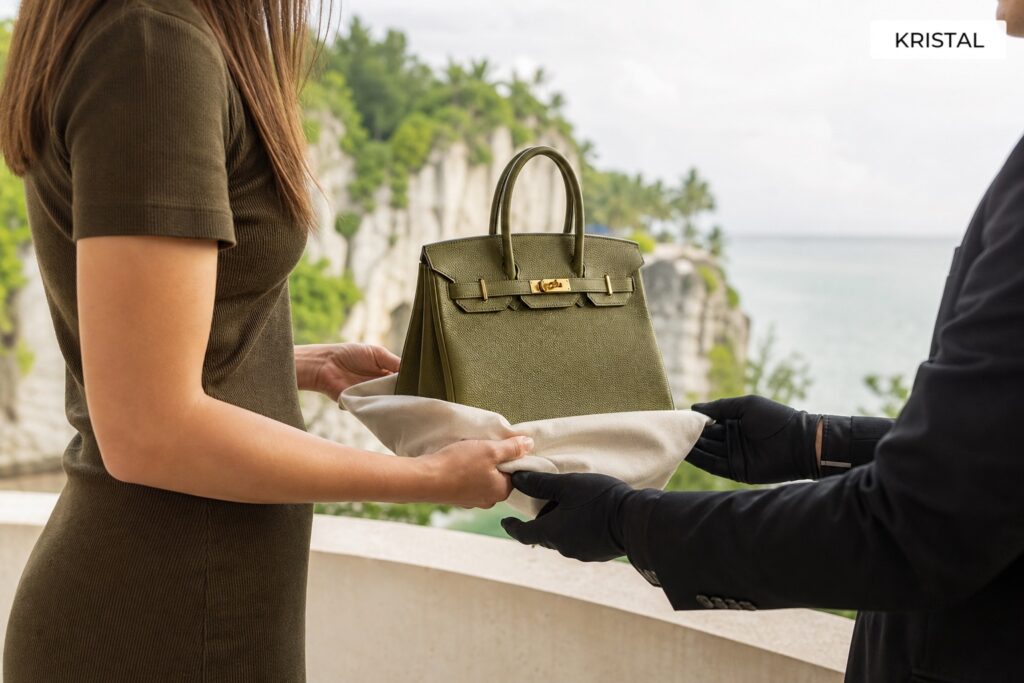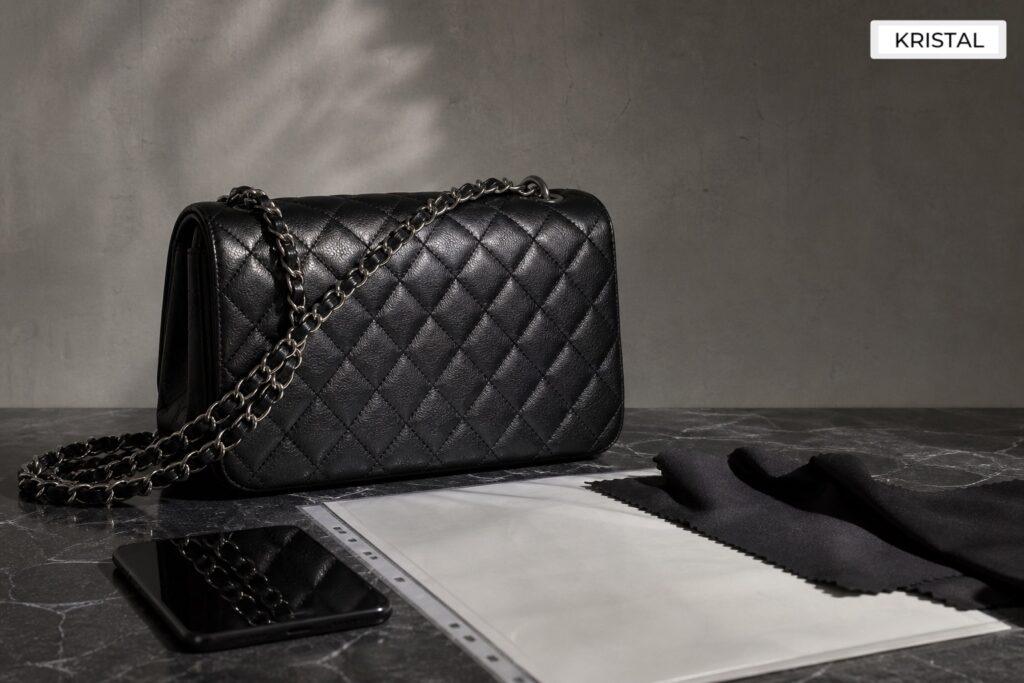

If you want to estimate your luxury bag’s resale value before selling in Malaysia, start with a range, not a fantasy number. The most useful estimate usually comes from five things together: the exact model, the real condition, the accessories still included, the selling route you are comparing, and how clearly the bag can be reviewed from the photos.
This is not the same as a final confirmed offer. It is a practical way to set realistic expectations before you ask for a quote. If you want the review workflow itself, read the luxury bag appraisal guide. If you want the wear-point checklist first, read the condition guide.
If you are estimating more than one bag at the same time, sort the batch first with the luxury bag collection guide so each bag is judged on its own file instead of as one mixed pile.
If the estimate stage is already moving toward a real direct offer, compare it with the buyback-offer guide. If speed matters as much as value, use the selling timeline guide before you choose the route.
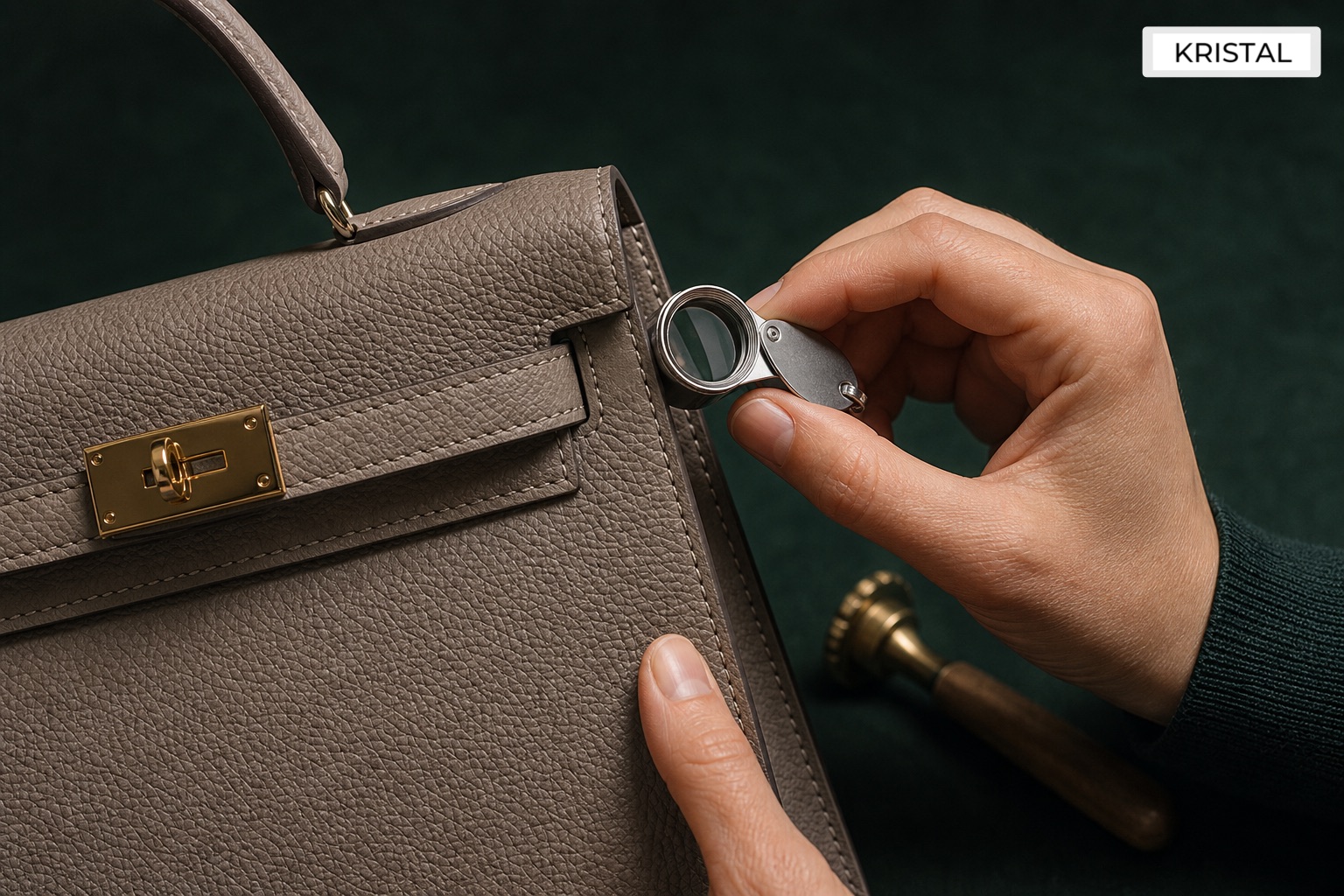
Quick Answer: What Usually Changes the Estimate First
- the exact model line, size, material, and colour family
- real condition, especially corners, shape, glazing, handles, interior, and hardware
- whether the strap, dust bag, lock, receipt, box, or other original accessories are still with the bag
- whether you are comparing direct sale, buyback, or consignment timing
- whether your photos make the bag easy to assess without guesswork
A useful estimate is usually a range because small details can move the answer up or down.
| Estimate factor | Usually supports a stronger range | Usually creates a more cautious range |
|---|---|---|
| Model fit | Recognisable line, clear size, easy-to-read details | Unclear variant, uncertain details, or niche demand |
| Condition | Clean structure, even wear, honest presentation | Heavy wear, repairs, odour, peeling, or weak photos |
| Completeness | Useful accessories still included | Missing strap, pouch, lock, card, or key details |
| Route | Expectation matched to route and timeline | Retail-style expectations on a fast-sale route |
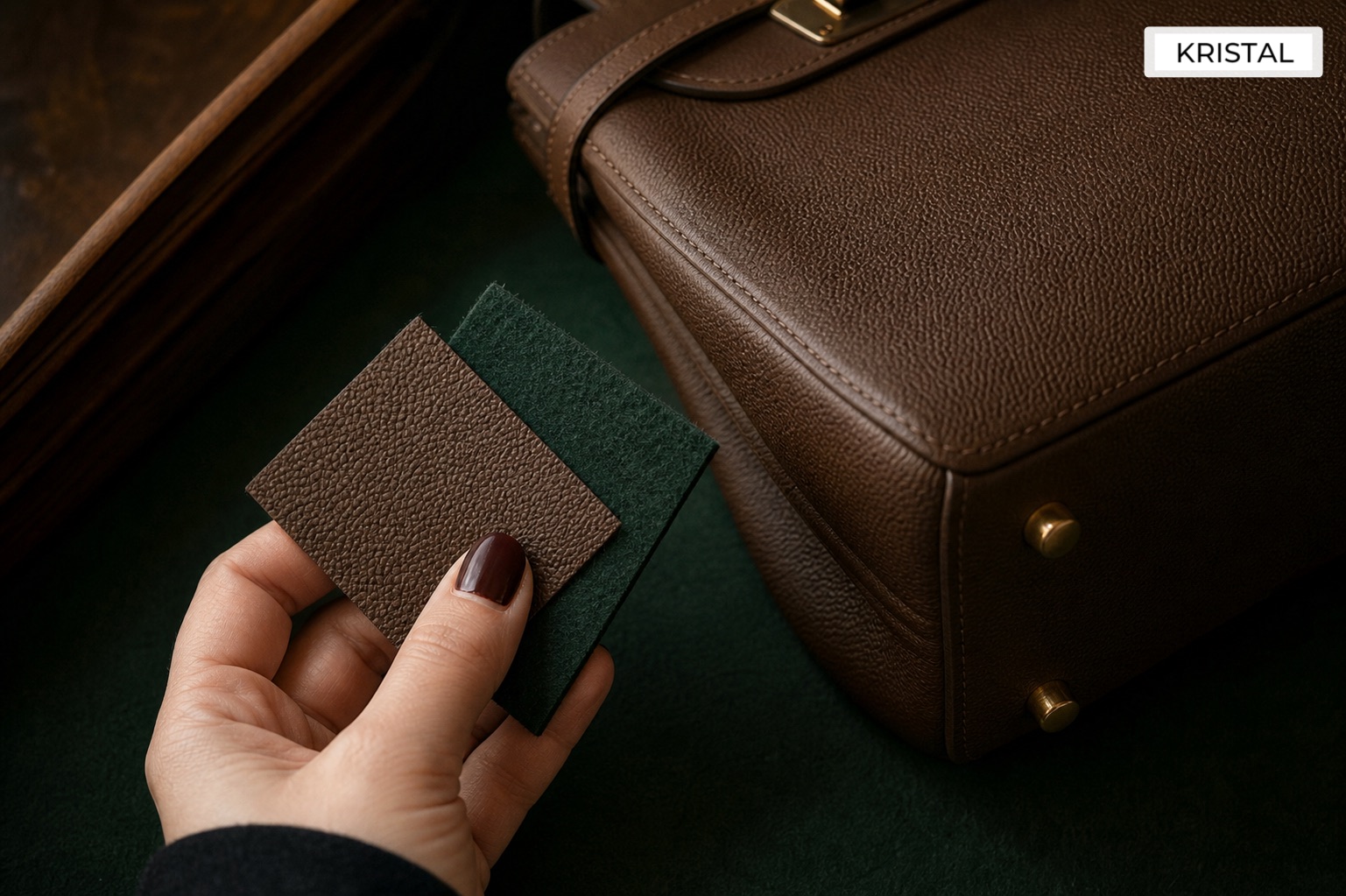
Start With the Exact Bag, Not the Brand Name Alone
Sellers often begin with the brand and stop there. That is too broad. A resale estimate works better when you narrow the bag down properly: line, size, leather or canvas, hardware tone, colour, and whether it is a common version or a harder-to-place variation.
Even within one brand, two bags can behave very differently. A familiar everyday model in straightforward condition can be easier to assess than a less common seasonal piece, a heavily personalised bag, or a model with unclear details. If your first step is only “it is a Chanel” or “it is a Prada,” the estimate will stay vague.
Condition Usually Moves the Range More Than Sellers Expect
Condition is often the biggest reason the first estimate shifts. Shape loss, corner wear, handle darkening, glazing cracks, interior marks, odour, hardware scratches, repainting, and old repairs can all change how the bag is viewed. If you want the full wear-point breakdown, read the condition guide.
This does not mean light use destroys the estimate. Normal wear is common. The practical point is that a clean structure with even wear usually reads differently from a bag with hidden repairs, peeling edges, or unclear problem areas. Honest photos usually help more than trying to make the bag look perfect.
Accessories Help the File Feel More Complete
Accessories do not erase condition problems, but they can still strengthen the estimate process. A strap, dust bag, lock, clochette, pouch, receipt, box, or care card can help complete the picture, especially when those items clearly belong to that exact bag.
If you are still unsure how much those extras really change the first response, read the full-set guide for the cleaner next step.
If you are not sure how to prepare those details, review the seller prep guide. The point is not to chase a perfect set at any cost. It is to show clearly what is included and what is not, so the estimate is based on the real submission instead of assumptions.
The Selling Route Changes the Value Discussion
Many sellers mix up resale value with route value. They are related, but they are not identical. A direct sale or buyback route usually prioritises speed and certainty. Consignment can suit a different timeline because it depends more on buyer matching and waiting.
That means the same bag can sit inside different value conversations depending on your route. If you want the faster path, compare your expectations against the Malaysia selling guide. If you want to understand the listing-based option better, read the consignment guide. A realistic estimate should match the route you are actually willing to take.
Do Not Use Asking Prices as Your Main Benchmark
A listing price online is not the same as a completed result. It may reflect a seller’s hope, not an actual transaction. It may also describe a bag in better condition, a fuller set, a different market, or a slower route than the one you want.
That is why a practical estimate is safer than a single copied number. If your bag is missing the strap, has softened corners, or needs a quicker sale, the estimate should reflect that reality. If you want a broader look at which bags often hold attention better across the Malaysia market, see the resale guide for luxury bags in Malaysia.
How to Build a More Realistic Estimate Before You Ask
- Identify the exact bag as clearly as you can: model line, size, colour, material, and included extras.
- Photograph the front, back, sides, base, corners, handles, hardware, and interior in even light.
- List the weak spots honestly instead of waiting for them to be discovered later.
- Decide whether you are comparing a fast direct route or a slower consignment route.
- Expect a range until the bag is reviewed more closely.
If you need the actual review sequence after that, the next step is still the appraisal process, not guesswork from screenshots alone. If you want the cleanest shot order before you send the first message, use the luxury bag photo checklist guide.
What Usually Makes an Estimate Less Useful
- blurry or filtered photos
- only one beauty shot and no close-ups of wear
- missing interior, base, or corner photos
- treating a fast-sale route like a retail-listing price target
- not mentioning repairs, repainting, or missing accessories
Most estimate problems come from missing information, not from the bag being unsellable. A clearer file usually gives a more useful first response.
Frequently Asked Questions
Can I estimate my bag’s value without the receipt?
Yes. A receipt can help, but the estimate still depends mainly on the actual bag, the condition, and the clarity of the submission. Show what you do have.
Will a remote estimate always match the final offer?
Not always. A remote estimate is an early range based on the details provided. The final offer can still change after closer inspection and confirmation of the actual condition and included items.
Does a full set guarantee a high estimate?
No. A fuller set can help confidence and completeness, but it does not cancel out heavy wear, repairs, or weak market fit for that specific bag.
Should I wait until I visit the store to ask about value?
Usually no. Many sellers start with photos first to see whether the bag is worth taking further. If you need the physical locations later, check the locations page and confirm the official contact route on the verified official channel page.
Estimate the Range, Then Ask for a Real Review
The safest way to estimate your luxury bag’s resale value before selling in Malaysia is to think in ranges and show the real bag clearly. Start with the exact model, then adjust for condition, completeness, route, and photo quality. That gives you a practical expectation instead of a random number pulled from the highest listing you found.
If you are ready to get a cleaner first response, send the bag details through the Kristal Luxury contact page.
Related guides after you estimate the range
- Should you repair a luxury bag before selling it?
- How long does each selling route usually take?
- How does consignment payout timing usually work?
- Balenciaga seller guide: how softness, extras, and visible wear can change the route
- Fendi seller guide: how structure, canvas-versus-leather wear, and extras affect the first estimate