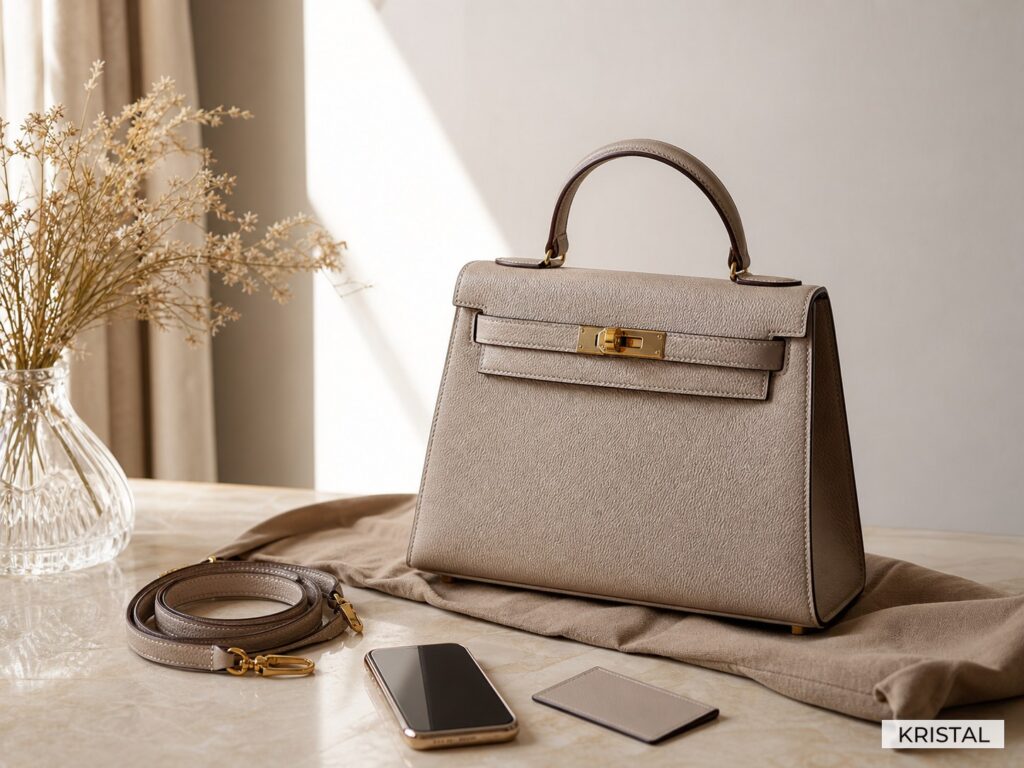
Cost per wear spreads the cost of a bag across the times you carry it. Start with the purchase price and the ownership costs you include, then divide that total by the number of uses over a chosen period. For a purchase you are considering, leave hoped-for resale proceeds out of the starting calculation.
The result can help you compare how you expect to use two bags. It cannot tell you whether you can afford either one. A lower cost per wear may still mean spending more money upfront, and carrying a bag more often does not return that money to you.
Use one simple calculation
Cost per wear = purchase price plus included ownership costs, divided by uses.
Choose a period before counting uses: the next two years, for example. Use the same period for every bag in your comparison. Keep the purchase price, other costs and number of uses visible instead of recording only the final figure.
For a handbag, counting one day carried as one use is a practical convention. A commute, lunch and dinner on the same day would count once. You can choose another definition, but apply it consistently. Counting every errand separately can make an expensive bag look cheaper to use without changing your spending.
See what changes when you carry it less
Here is an invented example in ringgit, not a market price or a service quote. Suppose a bag costs RM4,800 and you include a hypothetical RM200 allowance for ownership costs during your chosen period. The amount used in the calculation is RM5,000.
| Uses during the same period | Calculation | Cost per use |
|---|---|---|
| 100 | RM5,000 ÷ 100 | RM50 |
| 250 | RM5,000 ÷ 250 | RM20 |
| 500 | RM5,000 ÷ 500 | RM10 |
The purchase cost stays the same in every row. Only the number of uses changes, so check that estimate as carefully as the asking price.
Try a lower-use version before deciding. If you expect 250 uses, calculate 100 as well. Holidays, changes at work or reaching for another bag can all reduce how often you carry it.
Base the number of uses on your current routine
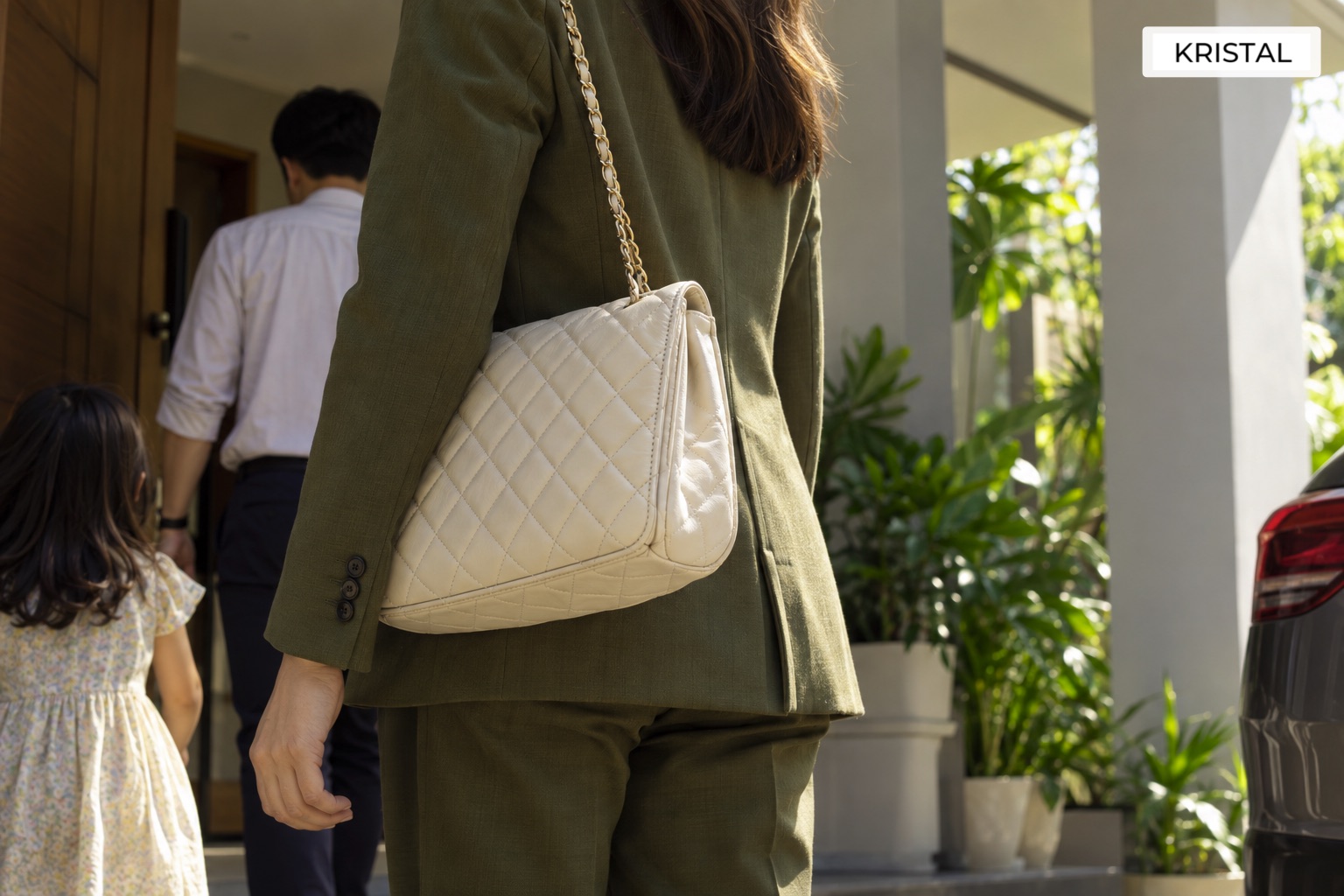
Look at the bags you actually carry over several ordinary weeks. Notice which one goes to work, which comes out for dinner and which stays at home. A bag chosen for occasional events should have an occasional-use estimate, even if you love its appearance.
A proposed everyday bag also needs to work physically. Check its capacity, opening and carry position using the guide to choosing a bag for your everyday routine. You are unlikely to reach for it often if your essential belongings do not fit.
If you rotate several bags, do not give each one the same full working-week allocation. Divide the days according to how you expect to use them. Leave uncertain occasions out of your cautious estimate rather than treating every possible outing as a planned use.
Compare total spending as well as cost per use
Consider two more hypothetical totals over the same period:
| Candidate | Included cost | Expected uses | Cost per use |
|---|---|---|---|
| Bag A | RM5,000 | 250 | RM20 |
| Bag B | RM3,000 | 100 | RM30 |
Bag A costs less per expected use. Bag B still requires RM2,000 less total spending in this example. Check both figures before choosing.
Keep your spending limit separate from this calculation. If a purchase does not fit that limit, dividing it by more future uses does not solve the problem. Use it to check whether your expected usage is realistic.
Separate known costs from allowances
Use the full purchase amount you would pay. Add delivery or other purchase charges when they apply. Then distinguish confirmed ownership expenses from amounts you are merely setting aside.
The RM200 above is an illustrative allowance, not a claim that any repair costs RM200. If an item needs work, request an assessment and estimate before relying on a total. Do not assume that every repair is available or that an allowance will cover it.
Record optional accessories separately. An organiser or alternative strap you choose to buy is still spending, but include it consistently in the bags you compare. State what you have included so you can update the comparison when costs change.
Keep future resale out of the starting figure
You have to pay for the bag before any later sale happens. A future buyer, price and selling date are uncertain, so start with no assumed recovery. This does not mean the bag has no resale value; it means the calculation does not depend on predicting it.
If you want to explore a resale scenario separately, label the proceeds as an assumption and keep the original calculation beside it. To understand the different question of a current offer, read the guide to estimating a bag’s resale value.
After an actual sale, you can calculate historical net cost using the amount received after selling expenses. Do not deduct those expenses twice. That completed record describes what happened; it does not establish the resale outcome of your next bag.
Compare keeping a bag with buying another
The original purchase price belongs in a historical cost-per-wear record. When deciding what to do next, also make a separate comparison of spending from today onward.
Keeping a usable bag may involve no new purchase price, though future costs remain possible. Buying another introduces new spending. Avoid making an existing bag look like a fresh expense simply by counting its old purchase price again in the forward comparison.
Questions to settle before you buy
What if I have not used the bag yet? Call the result an estimate. Record actual days carried later and revise it.
What if it gets no use? Division by zero gives no meaningful cost-per-use figure. Record the money spent and zero uses plainly.
Does a low figure make the bag an investment? No. It measures spending relative to use, not a financial return.
Before deciding, write down your comparison period, purchase total, extra costs, expected uses and lower-use estimate. Keep any resale scenario separate. If the numbers only work after you inflate usage or assume a strong sale, reconsider those assumptions first.
If an existing bag is no longer being used
For a Hermès, Chanel, Louis Vuitton, Dior, Gucci, Saint Laurent, Loro Piana or Goyard handbag you are considering selling, contact Kristal about an initial review, subject to inspection. Treat that review separately from the budget for any replacement bag.