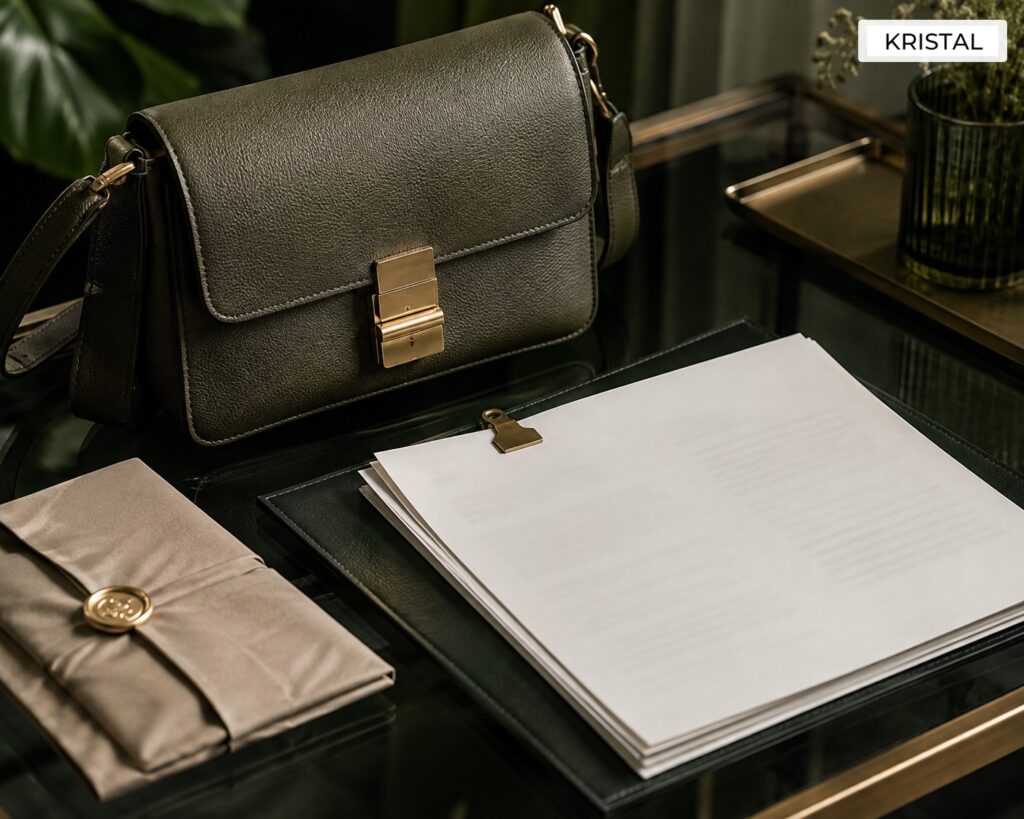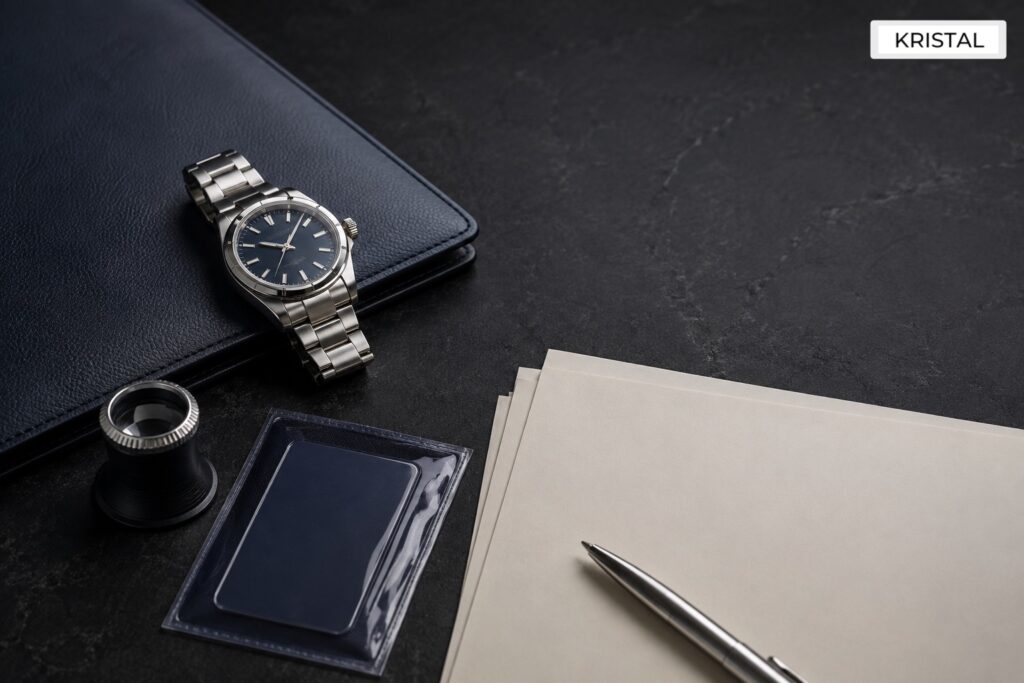
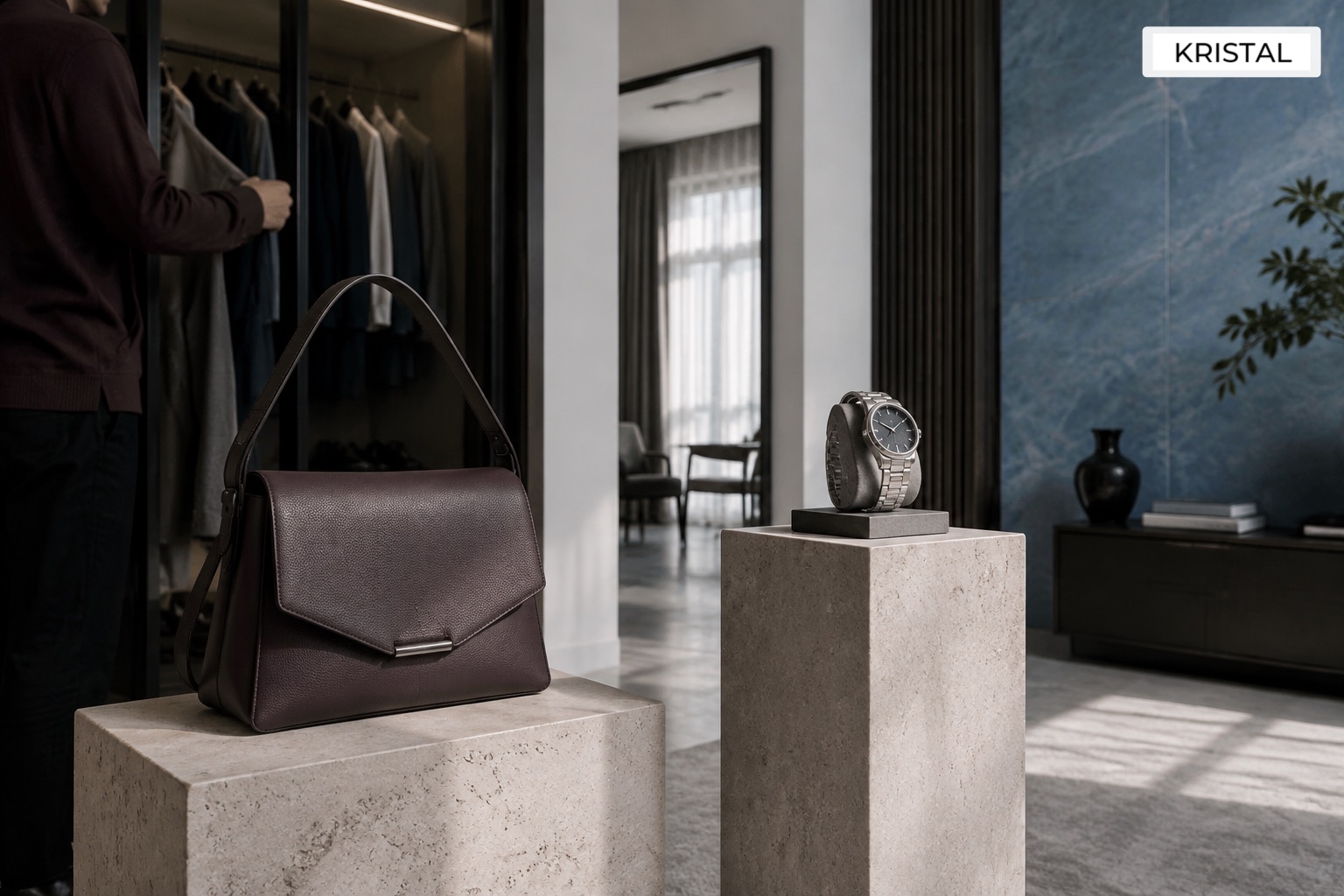
Yes, you can start one conversation about selling luxury bags and watches together in Malaysia. The collection should not, however, be treated as one undifferentiated bundle. A bag and a watch need different photos, identifiers, condition details and supporting items. Each piece may also suit a different selling route.
Create one master inventory for the collection, then give every bag and watch its own item file. The reviewer can see the whole picture without confusing a decision about one piece with a decision about everything.
The quick recommendation
Start with a simple list. Give each item a number, keep its photos and accessories together, and write down what you know about it. Send the collection as one organised enquiry, but expect the next step to be confirmed for each piece.
| Stage | Keep together | Keep separate |
|---|---|---|
| First contact | One short overview of the collection | One numbered entry for every item |
| Photos | One optional group image for orientation | A complete photo set for each bag or watch |
| Accessories | A summary of what is available | Boxes, papers, straps, links and other extras matched to the correct item |
| Route decision | Your overall timing and reason for selling | Direct sale, consignment, hold or decline confirmed per item |
| Approval and handover | A practical appointment or delivery plan | The agreed details and handover record for each piece |
When a mixed-collection approach makes sense
You might be clearing a wardrobe, relocating, handling an inheritance or simply reducing a collection. Contacting a buyer separately for every piece can make an already fiddly job much harder.
One organised opening message gives the reviewer a clear picture of what you have and when you hope to sell. But one conversation does not mean one blanket assessment. A Chanel bag and a Rolex watch still need different information, even when they belong to the same owner.
Before preparing the files, check Kristal Luxury’s accepted brands. One suitable item does not make the rest suitable by default. Brand, model, condition and the available route still matter for every piece.

Build one master inventory first
The master inventory is the index for the whole enquiry. It does not need special software. A spreadsheet or a well-organised note will do.
Give every piece a short item number, such as B01 for the first bag and W01 for the first watch. Then record:
- the item category
- the accepted brand
- the model or reference, if known
- a short condition summary
- the box, papers and other accessories that belong to it
- any repair, alteration, service or polishing history you know about
- whether you are the owner or are helping the owner
- your preferred timing and whether you are considering a direct sale or consignment
Use the same item number in the photo-folder name and in later messages. This sounds fussy until you have three black bags, two watch boxes and a loose pile of accessories in front of you. A consistent number helps stop a strap, spare link or service document from landing in the wrong file.
Give every item its own file
A group photo shows the size of the collection, but it cannot carry the review. Small details disappear. Watches catch reflections. Wear on a bag’s corners or handles may be hidden. Take the individual photos before you pack anything.
Put the photos, condition notes and included extras in the item’s file. If you are unsure about a detail, say so. A plain “model unknown” or “service date not confirmed” is much easier to work with than a confident guess that later needs correcting.
If most of the collection consists of bags, the guide on how to sell a luxury bag collection goes further into that process. If it is mostly watches, use the guide on how to sell a luxury watch collection. This page is for the awkward middle: both categories need to go through the same opening enquiry.
What to prepare for each luxury bag
For every bag, show the whole piece before moving to close details. Include the front, back, sides, base, corners, handles or strap, interior and hardware. Photograph identifying details where they can be shown safely and clearly.
Keep the condition note short and specific. Mention shape loss, corner wear, darkened handles, interior marks, odour, hardware scratches and any known repair or colour work. Avoid aggressive cleaning or a rushed repair just to improve the photos.
Match the dust bag, box, strap, pouch, lock, keys, receipt and other accessories to the correct item number. These extras clarify the file; they do not replace a review of the bag. Use the luxury bag photo checklist when you are ready to photograph each piece.
What to prepare for each luxury watch
A watch file needs different details. Photograph the dial, case, caseback, bracelet or strap, clasp and visible wear from several angles. Glare hides scratches and dial details surprisingly well, so use soft light and check the images before moving to the next watch.
Record the reference information you can identify without posting sensitive details publicly. Keep the watch box, papers, warranty material, spare links, extra straps and service records in the same numbered file. If the watch has been polished, repaired or serviced, share what you know. Leave out dates or work you cannot confirm.
The luxury watch photo checklist explains which views help with a remote first look. If the set is incomplete, read the guide to selling a luxury watch without box and papers before deciding that the watch cannot be reviewed.
Why bags and watches should not share one blanket estimate
Bags and watches are inspected differently. For a bag, leather or canvas, corners, handles, structure and interior wear may need attention. A watch file has its own questions about the dial, case, bracelet, links, reference and service history, followed by any checks that require physical inspection.
Completeness is different too. A shoulder strap or pouch belongs to a particular bag. Spare bracelet links and warranty papers belong to a particular watch. Combining all accessories in one list makes it harder to understand which item is actually complete.
A group photograph is not enough for one reliable collection figure. It can introduce the items, but a useful route or estimate depends on the individual files and later inspection. The result for one item says little about the rest.
Choose the selling route item by item
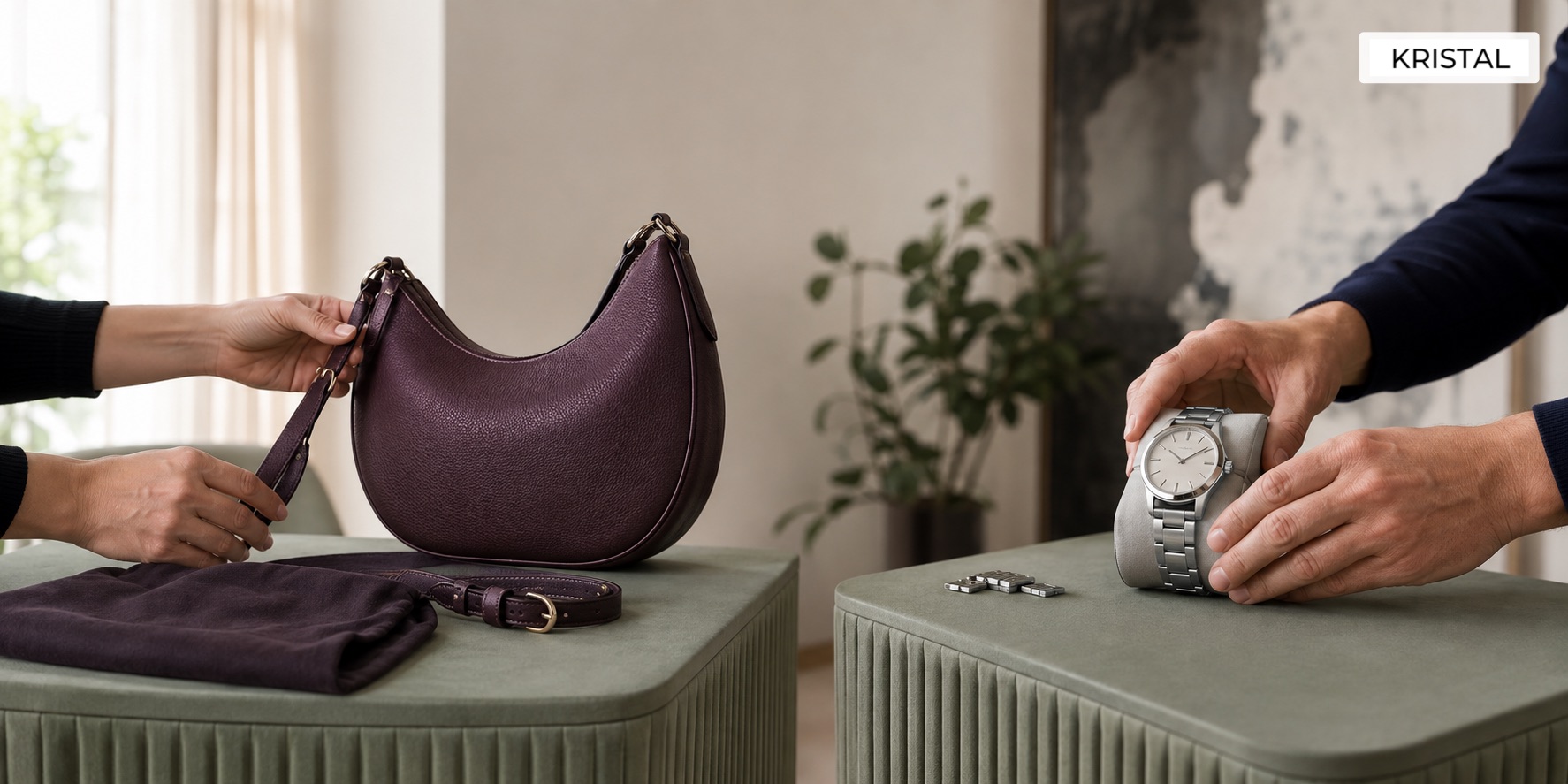
A mixed collection does not need one route. You may prefer a direct-sale discussion for one item because you want a simpler timeline. Another piece may be worth considering for consignment if both the item and your timing fit that process. Something else may need more information before either route makes sense.
| Your priority | Question to ask | Practical next step |
|---|---|---|
| A simpler, more direct process | Is a direct-sale review available for this specific item? | Confirm what still needs physical inspection and when the item-level decision becomes final |
| Willingness to wait | Is consignment suitable for this specific item? | Ask about the process and terms before approving handover |
| Information still missing | What detail is needed before a route can be discussed? | Complete that item’s file without delaying the clearer items |
| Not ready to proceed | Can this piece be left out of the current review? | Mark it as on hold and keep it out of the handover list |
Handling the items separately avoids an all-or-nothing decision. One delayed or unsuitable piece does not have to hold up the rest of the collection.
Keep approvals and handover records separate
Before anything leaves your possession, confirm which item each message, route or figure refers to. Keep using the inventory numbers. If B02 moves forward while W03 remains under review, the written record should say exactly that.
Check that the accessories packed with each item match its file. Photograph the final set before handover. If several items move at once, use a handover list and mark each piece separately rather than writing only “three bags and two watches.”
Approval needs the same precision. Agreeing to proceed with one watch does not approve the route for a bag. An opening discussion about the collection does not mean every item has been accepted. Itemised records remove that ambiguity.
Mixed-collection preparation checklist
- Create one master inventory.
- Assign a unique number to every bag and watch.
- Check that each brand is within Kristal Luxury’s accepted scope before using a service CTA.
- Make a separate photo folder for every item.
- Describe condition and known history honestly.
- Match every box, paper, strap, pouch and spare link to the correct item.
- State who owns the collection and who can approve a sale or consignment route.
- Confirm the route and next step per item.
- Prepare an itemised handover list only for pieces that are moving forward.
Frequently asked questions
Can all the items receive one total offer?
You can introduce the collection together, but one total figure may not be available or appropriate. Each item needs enough information for its own review. If you receive a combined figure, ask for an itemised breakdown and check which pieces it covers.
Should bags and watches be photographed together?
A group photo can help the reviewer see what is in the collection. The useful evidence still comes from separate photo sets showing the relevant details of every bag and watch.
Can different items use different selling routes?
Yes. After suitability is confirmed, one piece may follow a direct-sale route while another is considered for consignment or kept on hold.
What if part of the collection is not on the accepted-brand list?
Keep those pieces outside the Kristal service request. Check the current accepted-brand list before sending the inventory, and do not assume that acceptance of one brand extends to another.
Can an inherited mixed collection be reviewed?
Yes, but the person contacting the buyer should explain the ownership context and who can approve the next step. Start with the same numbered inventory. For category-specific preparation, see the guides on documents for an inherited luxury bag and selling an inherited luxury watch. Both offer practical preparation guidance, not legal advice.
Start with a clear inventory
If you want to sell luxury bags and watches together in Malaysia, begin with a numbered inventory and a separate photo set for each item. Check Kristal Luxury’s accepted brands, then use the verified contact page to ask which pieces can move to an initial review. You can also check the locations page when planning the next step.
Use one inventory to keep the collection organised. Keep everything else precise: one file, one decision and one handover record for each item.