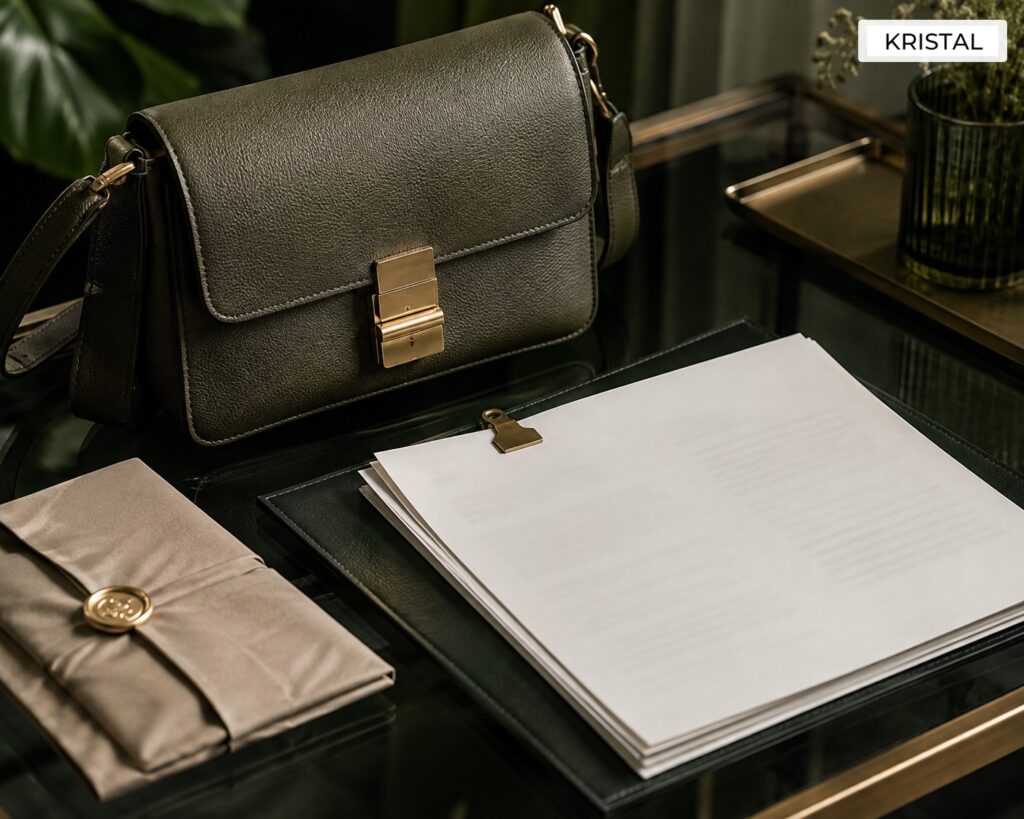
If you are about to consign a luxury watch in Malaysia, do not hand the watch over until the agreement tells you exactly how the sale will work. The points that matter most are usually simple: commission, the price floor you approved, when payout starts, what happens if you withdraw the watch, who carries the risk during storage or transport, and how condition, originality, or service-history disputes are handled after inspection.
A good consignment agreement should not leave you guessing. You should be able to read it and answer a few practical questions right away. Can the watch be discounted without your approval? When do you get paid after sale? What fees apply if you take the watch back? What happens if the bracelet, box, papers, or service records do not match the listing file later? If those answers are still vague, pause before handover.
This guide focuses on the agreement itself. If you are still deciding whether consignment fits at all, start with how to sell a luxury watch in Malaysia. This page answers the next question: what should you read carefully before your watch leaves your hands?

Quick Agreement Checklist Before Handover
| Clause | What should be clear | Why it matters |
|---|---|---|
| Commission | The percentage or fixed fee, plus any other deductions that can still be charged | You need to know what you actually receive, not only the advertised selling price |
| Approved selling price | The minimum figure you accept and whether any lower number needs fresh approval | This stops the watch from moving at a softer price than you expected |
| Payout trigger | The exact event that starts payment, such as full buyer payment cleared and delivery completed | “Sold” and “paid” are not always the same moment |
| Withdrawal terms | Notice period, collection window, and any inspection, admin, listing, or transport charges | You can judge the real cost of changing your mind |
| Insurance and liability | Who is responsible during storage, transit, and any third-party handling | Risk matters most once the watch is no longer with you |
| Condition and originality disputes | What happens if later inspection raises questions about replaced parts, polishing, or service history | This prevents open-ended arguments after handover |
| Handover record | The watch details, accessories, visible wear, and attached documents recorded at intake | The handover file becomes the baseline if anything is disputed later |
The short version is this: a useful consignment agreement explains money, control, timing, and responsibility in plain language. If any of those stay blurry, slow down before handover.
Why the Agreement Matters More Than the Verbal Summary
Many sellers remember the conversation and skim the document. That is where avoidable problems begin. A verbal summary may sound simple: the watch will be listed, a buyer will be found, commission will be deducted, and payout will follow. The agreement decides the details behind that summary. It tells you whether a lower offer can be accepted, whether payout waits for full settlement, and whether inspection findings can reopen the numbers after the watch has already left your hands.
This matters even more with watches because the condition language can get sensitive quickly. A few lines about originality, service parts, bracelet stretch, polishing, dial condition, or missing documents can change what happens if a later buyer questions the file. If you want the broader pricing context first, review how luxury watch valuation works in Malaysia.
1. Read the Commission Clause as a Net-Proceeds Clause
Do not read commission as only a percentage. Read it as a net-proceeds clause. What matters is the amount that reaches you after every allowed deduction has been taken out.
Check whether the agreement states:
- The commission percentage or fixed fee
- Whether that percentage is calculated on the gross sale price or another figure
- Whether payment processing, marketing, courier, polishing, authentication, or servicing costs can also be deducted
- Whether any extra cost needs your approval first
If the agreement says the consignee may deduct “related costs” or “necessary expenses” without defining them, that is too open-ended. Ask for examples or tighter wording. Sellers often fixate on the headline listing price and only later realize that the real question was always the final net amount to them.
2. Make Sure Price Approval Rules Are Written Down
A watch can sit on consignment for weeks or months. During that time, buyer interest may come in below the first asking price. Your agreement should make it clear what the consignee can and cannot do without checking with you again.
Look for direct answers to these points:
- What is the initial asking price?
- What is the lowest approved selling price?
- Does that approved floor refer to gross sale price or your net payout?
- Can the consignee accept a deposit, reservation, or installment arrangement?
- Is fresh approval required before any further reduction?
This is where many sellers protect themselves best. A vague phrase like “seller agrees to market-driven adjustments” is weaker than a simple written rule that says no sale below the agreed net amount without written approval.
3. Separate “Sold” From “Paid” When Reading the Payout Clause
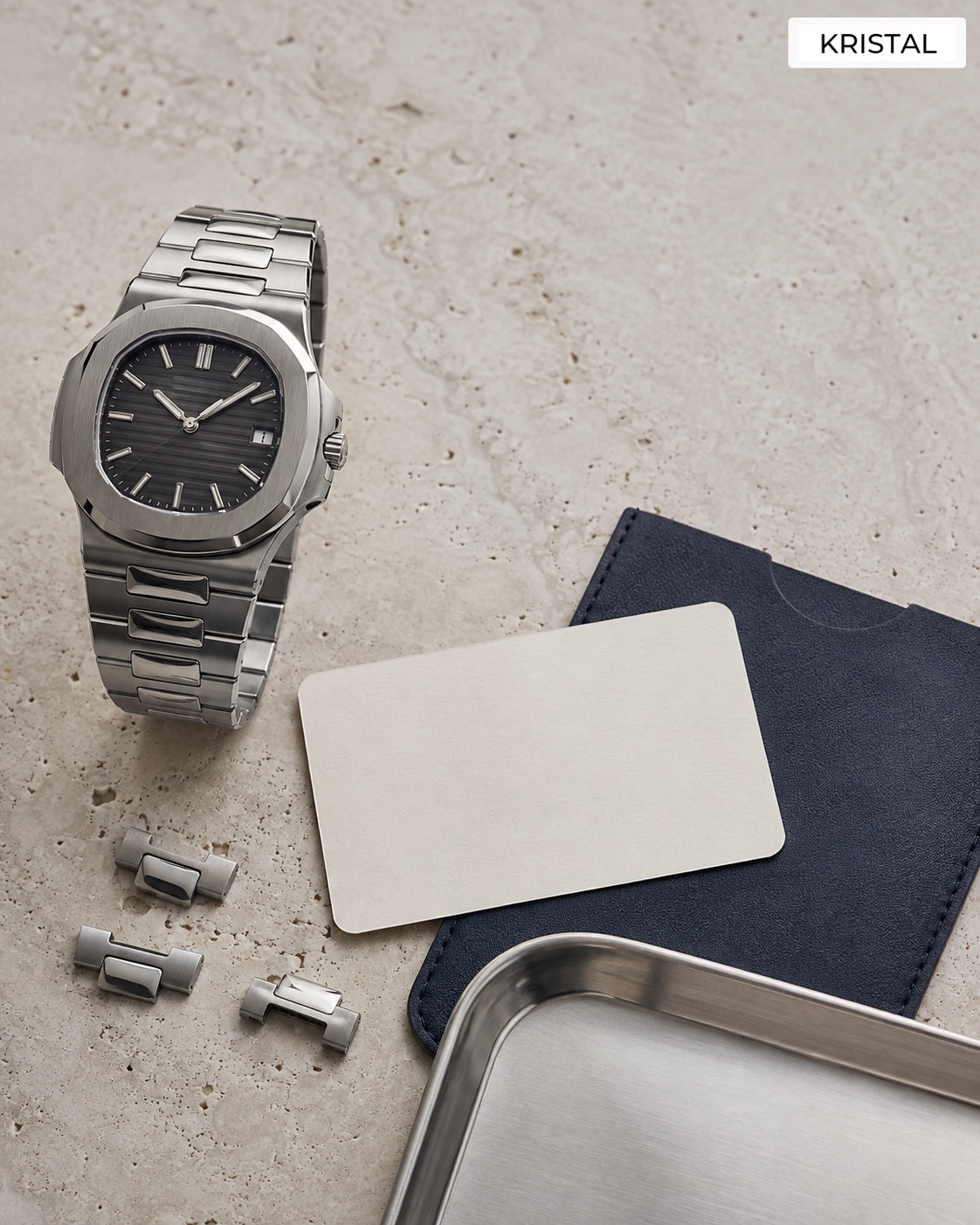
One of the easiest ways to get surprised in watch consignment is to assume that “sold” means “paid.” In practice, that can mean several different things. A buyer may have placed a deposit. Funds may still be clearing. Delivery may still be pending. The agreement should tell you which event actually starts your payout clock.
Read the payout section with these questions in mind:
- Is payout made only after full buyer payment clears?
- Does payout wait until a return window, if any, has passed?
- Is there a fixed number of business days after the trigger event?
- Will you receive written confirmation when the watch is sold?
If timing is your main concern, also read how luxury watch consignment payout works in Malaysia. That page focuses on the route timing itself. This one is narrower. It is about spotting the payout wording before you sign or hand over anything.
4. Check the Withdrawal Clause Before You Assume You Can Take the Watch Back Easily
Some sellers assume consignment is fully reversible at any time. Sometimes it is, but not always without conditions. The agreement may impose a notice period, an inspection step before release, or charges if the watch has already been photographed, transported, advertised, or shown to buyers.
Read the withdrawal section for:
- Any minimum consignment period
- The notice needed before withdrawal
- Any early-withdrawal or administrative charge
- Whether return shipping or collection is your responsibility
- How fast the watch must be returned after you ask for it back
A fair agreement does not need to promise zero friction. It does need to tell you what the friction is. If the clause is silent, ask before handover, not after a buyer discussion has already started.
5. Read Insurance and Liability Wording Literally
Once the watch leaves your hands, risk allocation matters. If it is held in-store, moved between locations, shown to a buyer, or transported by courier, you need to know who carries responsibility at each stage.
Look for clear wording on:
- Whether the watch is insured while in custody
- Whether transit is included or excluded
- What happens if there is theft, loss, accidental damage, or unexplained handling marks
- Whether compensation is tied to a declared value, an agreed value, or another basis
Do not rely on comfort phrases like “handled with care” or “stored securely.” Those may be true, but they are not the same as a defined liability position. This point should also match your actual handover method. If you are still preparing the physical transfer, use the luxury watch handover guide to tighten the practical side.
6. Pay Attention to Service-History, Originality, and Condition Dispute Clauses
This is where watch consignment agreements can become more technical than a bag agreement. A watch may look straightforward at intake, then later review can raise questions about replaced parts, aftermarket changes, prior polishing, missing links, service records, dial condition, or other differences between the first description and what is later observed.
You want the agreement to explain what happens if:
- The watch is later found to differ from the intake description
- Originality concerns arise during buyer review or third-party assessment
- Service-history claims cannot be fully supported by documents
- Bracelet, clasp, bezel, crystal, or movement-related condition is disputed
The useful question is not whether disputes can happen. It is whether the agreement gives a defined process for them. Can the consignee pause the sale and revert to you? Can the price be revised only with your approval? Can the consignment be terminated? Those mechanics should be visible in writing.
If your set is incomplete, especially if the original box or papers are missing, review what matters when selling a luxury watch without box and papers. Missing accessories do not automatically prevent a sale, but they should be reflected accurately in the agreement and handover notes.
7. The Handover Record Should Be Specific Enough to Prevent Memory-Based Arguments
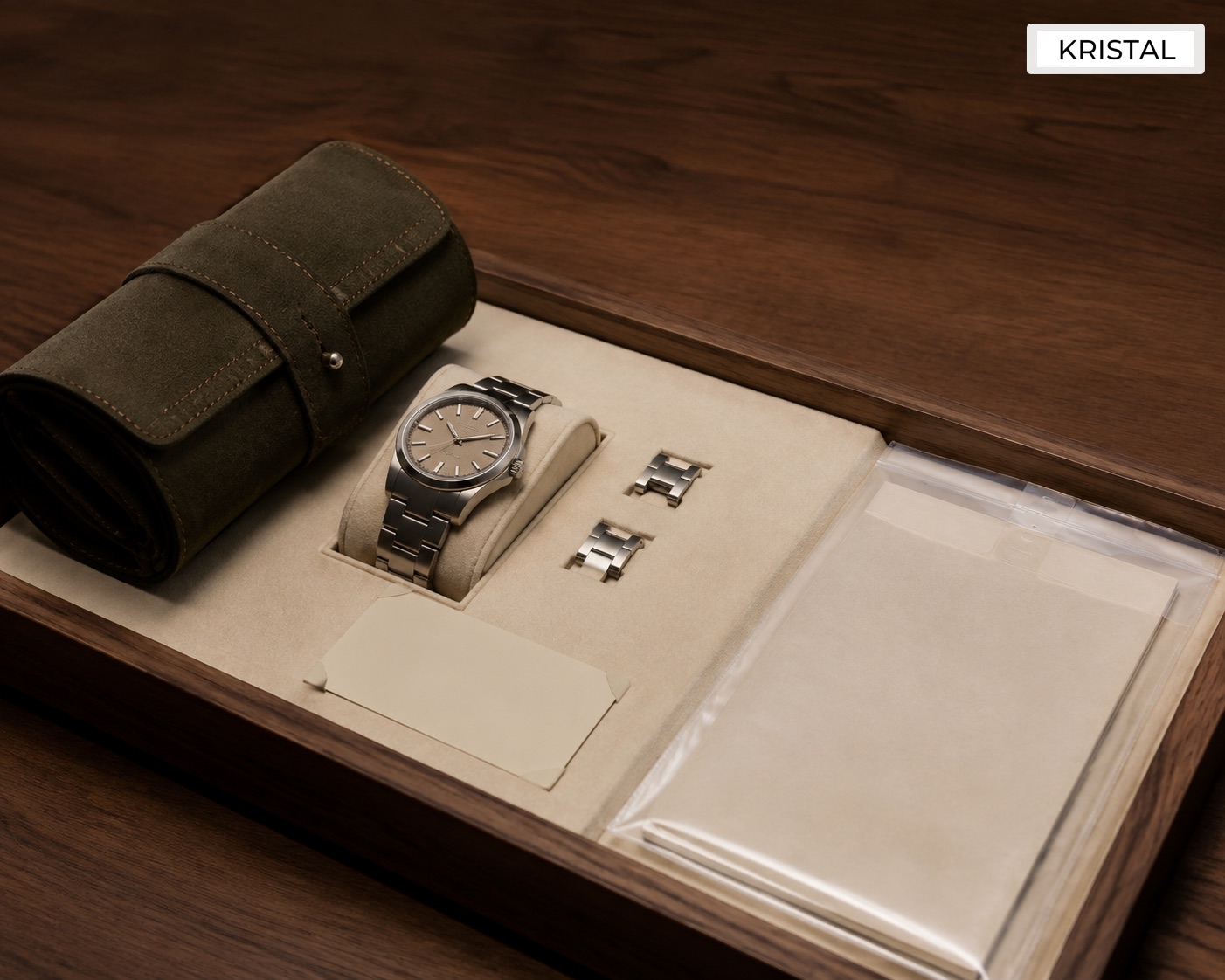
Before the watch leaves your hands, make sure the intake or handover record is complete. This record is separate from the agreement, but the two work together. If the agreement says the consignee is receiving one watch, one warranty card, two extra links, and a travel pouch in stated condition, that record becomes your reference point later.
A useful handover record usually includes:
- Brand and model
- Reference details and serial notation where appropriate
- Dial, case, bracelet, strap, clasp, bezel, and crystal condition notes
- Any visible marks already present at intake
- Accessories handed over, including links, box, papers, receipts, and service records
- Date of handover and the receiving party’s name
- Photos attached to the intake file where practical
This matters most when the watch is valuable, the set is incomplete, or condition can be read differently by different buyers. Written detail is usually more useful than a friendly summary message sent after the fact.
Questions Worth Asking Before You Sign
- What is the minimum amount I will receive, net of commission?
- Can the watch be discounted without my written approval?
- Exactly when is payout released after a buyer commits?
- If I withdraw the watch, what fees or notice periods apply?
- Who is responsible if the watch is lost, damaged, or disputed while in custody?
- What is the process if later inspection raises originality or service-history questions?
- What exactly will be recorded at handover?
If those answers are clear in conversation, the agreement should reflect that same clarity. If the verbal explanation is precise but the document stays vague, trust the document.
FAQ
Should a luxury watch consignment agreement in Malaysia always state commission clearly?
Yes. You should be able to tell how commission is calculated and what amount you are likely to receive after deductions.
Can a consignee lower the selling price without asking me?
That depends on the agreement. If you want control, the document should say that any reduction below an approved level requires your consent.
What matters more: the asking price or the net payout?
The net payout matters more. A higher listing price does not help if commission, deductions, or later discounting reduce what you actually receive.
What if I have no box or papers?
The watch may still be consignable, but the handover file and agreement should describe the missing items accurately so there is less room for later disagreement.
Is consignment always better than a direct sale for a watch?
No. Consignment may suit sellers who can wait for a buyer, while direct sale may suit sellers who want speed and a cleaner payout timeline. The watch buyer guide can help you compare the broader route fit.
Related Reading
- How to sell a luxury watch in Malaysia
- How luxury watch consignment payout works in Malaysia
- How to pack and hand over your luxury watch safely
- How to choose a luxury watch buyer in Malaysia
- What changes a realistic luxury watch valuation
- Do box and papers matter when selling a luxury watch?
Read the Agreement Before the Watch Leaves You
A watch consignment agreement does not need to be long to be useful. It needs to be clear. Before handover, make sure you understand the net payout, the price-approval rules, the payout trigger, the withdrawal terms, the liability position, and the intake record that describes what was actually received.
If you want a practical review of your watch-selling options before deciding on consignment, use the contact page. A clearer route decision at the start usually makes the agreement stage easier.