If you want a Goyard valuation in Malaysia, the useful starting point is not a brand-only guess. It is the exact bag, its real condition, the accessories that still come with it, and how clearly the file can be reviewed from the first photo set.
Sellers usually want to know why one Goyard receives a cleaner response than another, what details change the early valuation most, and whether they should settle the valuation question before comparing direct sale against consignment. If your first question is still where to sell rather than how the valuation works, start with the Goyard selling guide.
This page stays narrower than the general appraisal and resale-estimate guides. It focuses on the Goyard-specific details that usually shape the first review, especially on coated-canvas totes and structured styles where handles, top edges, shape retention, and personalization can change the conversation quickly.
Quick Answer: What Usually Changes a Goyard Valuation First
| Factor | What a valuer usually checks | What you should prepare |
|---|---|---|
| Model and structure | Whether the bag is an open tote, a more structured tote, or a firmer silhouette with different wear points | Share the model name if you know it, or send clear front, side, base, and opening shots |
| Canvas and trim | Condition of the coated canvas, leather handles, edge paint, piping, and top edge | Photograph the handles, corners, top edge, and any cracking, rubbing, or darkening |
| Condition story | Shape loss, interior marks, base wear, moisture marks, and past repairs | Show the weak areas directly and say clearly if anything was repaired or recoloured |
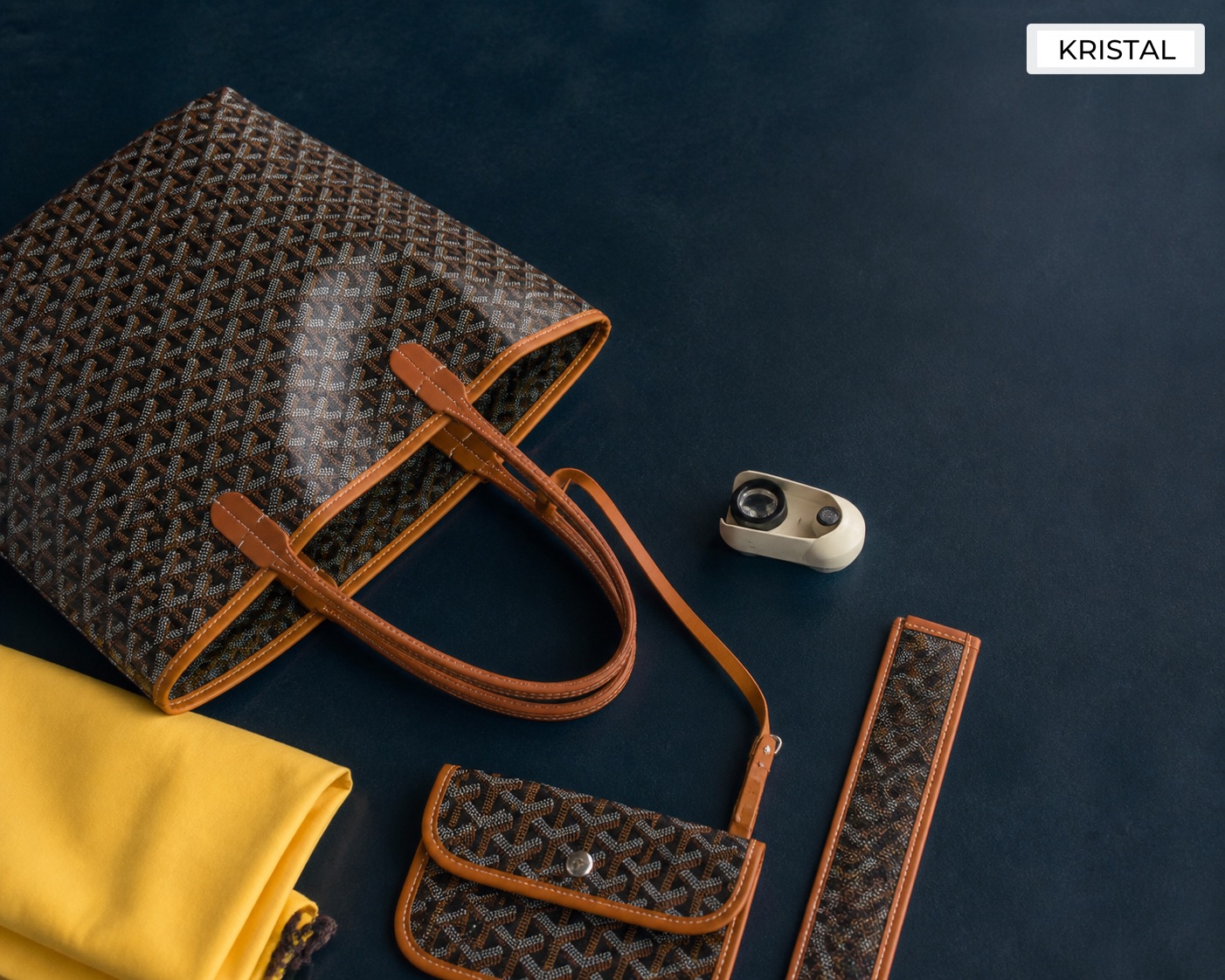
| Accessories and pouch | Whether the detachable pouch, strap, dust bag, box, or receipt are still present | Lay out the extras and say exactly what is missing |
| Personalization | Initials, painted markings, or other custom details that change presentation | Include close photos of the personalization instead of leaving it unclear |
Which Goyard Details Usually Matter Most?
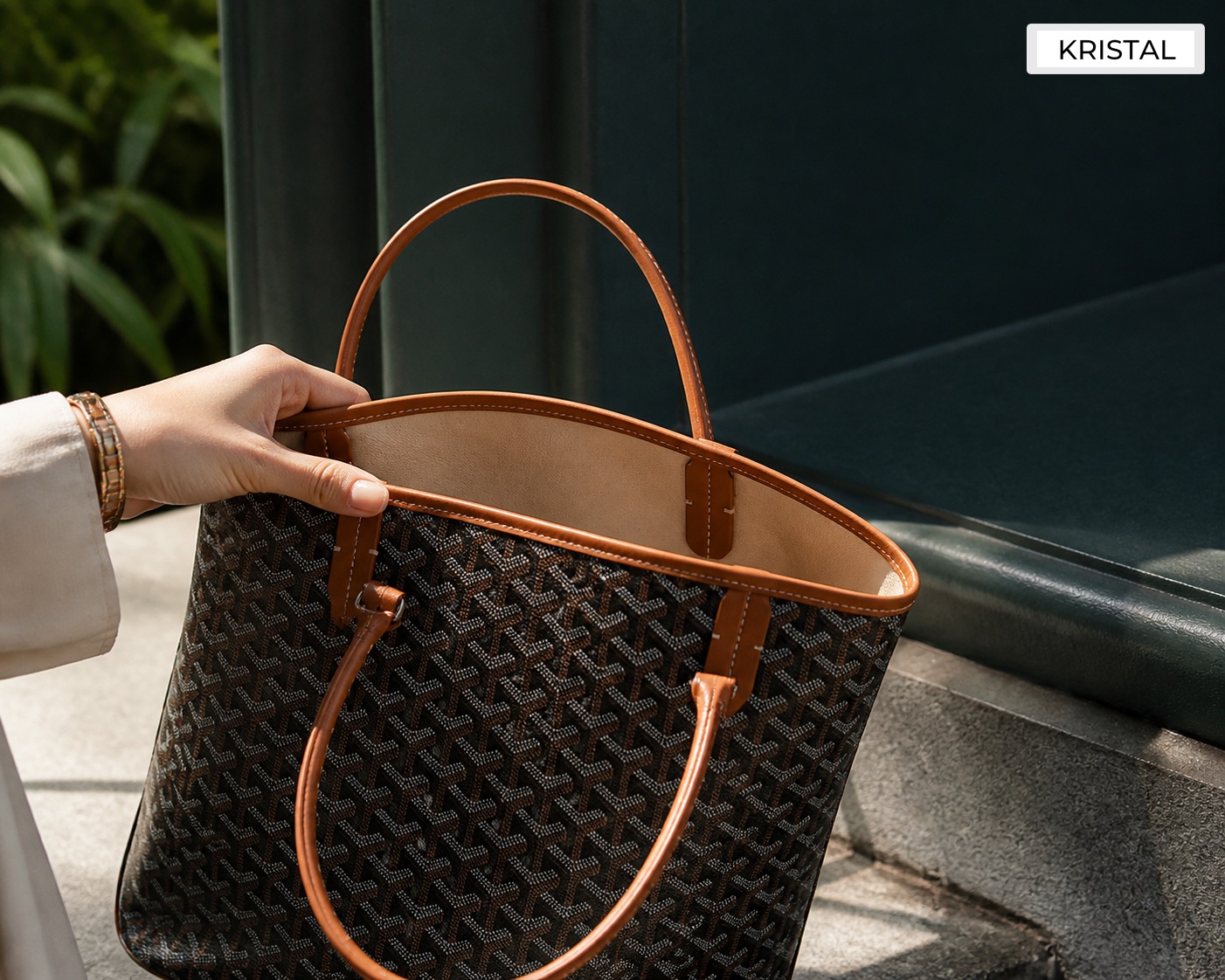
Goyard does not behave like one simple resale bucket. A Saint Louis, Artois, Anjou, Saigon, or another more structured style can raise different questions before a buyer even starts weighing the route. Open totes often draw more attention to top edges, handles, and overall shape after use. More structured styles can shift the focus toward base structure, corner rigidity, and how cleanly the bag still presents.
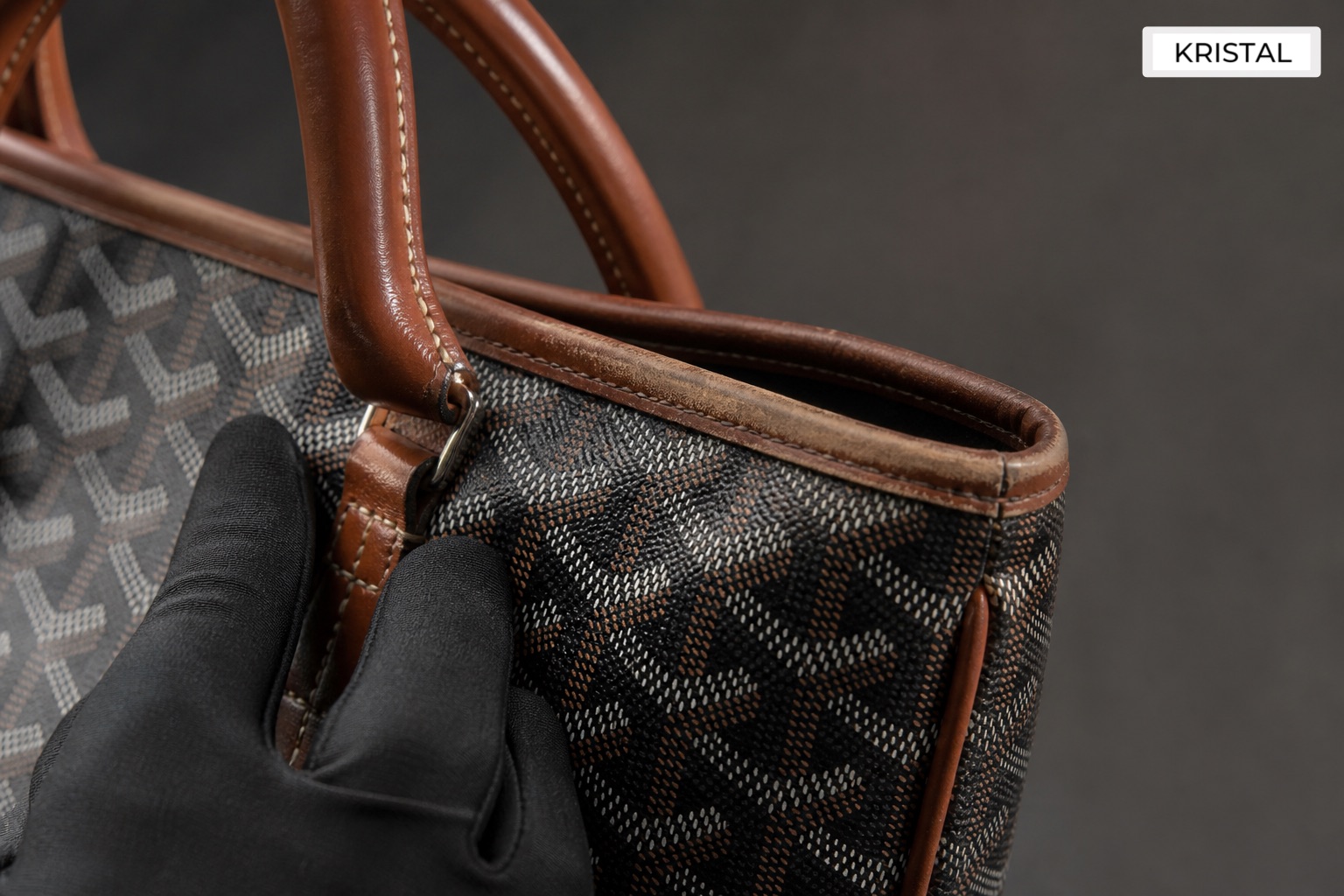
The coated canvas matters too. A first review usually wants to see whether the canvas still looks even, whether corners or folds have worn through, and whether the leather trim and handles have darkened, softened, or cracked more than expected. With Goyard, the file often feels stronger when the bag is shown clearly enough that the condition is easy to trust without guesswork.
If you want the broader wear-point checklist before asking for the first response, keep the condition guide open while you prepare the photos.
Why One Goyard Gets a Different Answer From Another
Sellers sometimes expect the brand to do most of the work. It does not. A cleaner early valuation usually goes to the bag that is easier to understand. That means the model is clear, the bag is photographed honestly, the weak spots are visible, and any missing extras or personalization are stated early.
Two Goyard bags can receive different valuation feedback for simple reasons:
- one still holds its shape better at the opening and base
- one has darker handle wear or stronger edge rubbing
- one includes the pouch, strap, dust bag, or receipt while the other does not
- one has painted initials or custom markings that change presentation
- one is photographed clearly while the other leaves too many questions unanswered
That is why it helps to treat the valuation as an item-specific review, not a brand-wide assumption. If you need the broader resale-range logic first, read the resale estimate guide. If you want the full review workflow around the first quote, add the luxury bag appraisal guide.
What a Goyard Valuer in Malaysia Usually Wants to See
The first file does not need to be perfect, but it does need to be usable. A Goyard valuation usually starts from photos, not from a physical inspection. That means the first message should make it easy to identify the bag, understand the wear, and confirm what is included.
- Front, back, side, base, and opening photos in even light.
- Close photos of the handles, top edge, corners, base, leather trim, and any weak stitching or edge wear.
- Interior photos that show lining, marks, pouch attachment points, and obvious staining.
- Photos of the detachable pouch, strap, dust bag, box, receipt, or other extras you still have.
- Clear photos of initials or painted personalization if the bag has them.
If the photo file is weak, the valuation usually stays broad. The first answer may still help, but it will often stay cautious until the bag is seen more clearly. If you want the cleanest remote-review sequence, use the luxury bag photo checklist before sending the first message.
Do the Pouch and Accessories Change the Valuation?
Often yes, but not in a magical way. Accessories do not erase wear, and they do not turn a weaker bag into a stronger one on their own. What they do is reduce uncertainty. On many Goyard files, the pouch, strap, dust bag, box, and receipt help the first review feel more settled because the file is easier to present accurately.
If the set is incomplete, say that directly. Missing extras do not automatically stop a valuation, but leaving the question open usually makes the first answer softer than it needs to be. If you want the broader logic here, read the full-set guide.
Does Personalization Matter?
Yes. If the bag has initials, painted stripes, or any custom detail, show it early. Personalization does not always end the conversation, but it does change the real presentation of the bag and should be part of the first review instead of a late clarification.
This is one of the simplest places where a Goyard valuation can drift if the seller tries to keep the file too broad. Honest photos give a stronger answer than a cleaner-looking but incomplete summary.
Should You Clean or Repair It Before Asking for a Goyard Valuation?
Usually, tidy presentation helps. Risky repair decisions do not. Empty the bag, remove loose dust, straighten the handles, and photograph the current condition in even light. That is useful preparation. Repainting edges, masking worn glazing, or trying to soften visible marks before the first review can make the file less reliable.
If the bag has already been repaired or recoloured, say so directly. A buyer will usually want that detail early, not after the valuation conversation has already moved deeper. If you want a cleaner prep checklist before the valuation request, use the seller prep guide.
Does a Goyard Valuation Mean a Final Offer?
Usually no. An initial valuation is a first answer based on the photos, condition notes, and accessories list you provided. The final number can still move after closer inspection, authentication-related review, and confirmation that the real bag matches the first submission.
That does not make the first valuation useless. It gives you a practical starting point. It helps you see whether the bag fits a direct-sale conversation now, whether the file needs better proof first, or whether you want to compare a slower route later. If you want to understand how an offer discussion can tighten after appraisal, compare the buyback-offer guide.
When Should Route Questions Come In?
After the valuation is clear enough to be useful. Many sellers try to ask about price, speed, and consignment structure all at once. That usually blurs the conversation. It is cleaner to start with the bag file, then decide whether you want a direct-sale discussion or want to compare consignment after the first answer.
If speed matters most, you will probably want the direct-sale discussion earlier. If timing is flexible and the bag presents well enough for a slower path, the consignment question can come next. For the route-specific version of that decision, read the Goyard selling route guide.
Frequently Asked Questions
Can I request a Goyard valuation without the receipt?
Yes. You can still request a review if the receipt is missing. It helps to say clearly what is and is not included with the bag.
Do open totes and more structured Goyard styles get valued the same way?
No. Open totes often raise more questions about top edges, handles, and shape, while firmer styles can shift attention toward base structure, corners, and rigidity.
Should I wait for a physical visit before asking for a valuation?
Usually no. A clear photo file is often enough to start the first review, then the next step can be decided after that.
What if my Goyard has initials or painted personalization?
Show it early. It does not automatically stop the review, but it changes the real presentation and should not be left unclear.
Can I ask for valuation first and decide the selling route later?
Yes. That is often the cleaner order because the route discussion makes more sense once the bag file is clearer.
Request a Goyard Valuation in Malaysia
If you want a Goyard valuation in Malaysia, prepare clear photos, list the accessories you still have, and be direct about the real condition and any personalization. That usually gives you a stronger first answer than a vague brand-only request.
To start the review, use the contact page. If you want the store and handover geography nearby while you plan the next step, keep the locations page open as well.