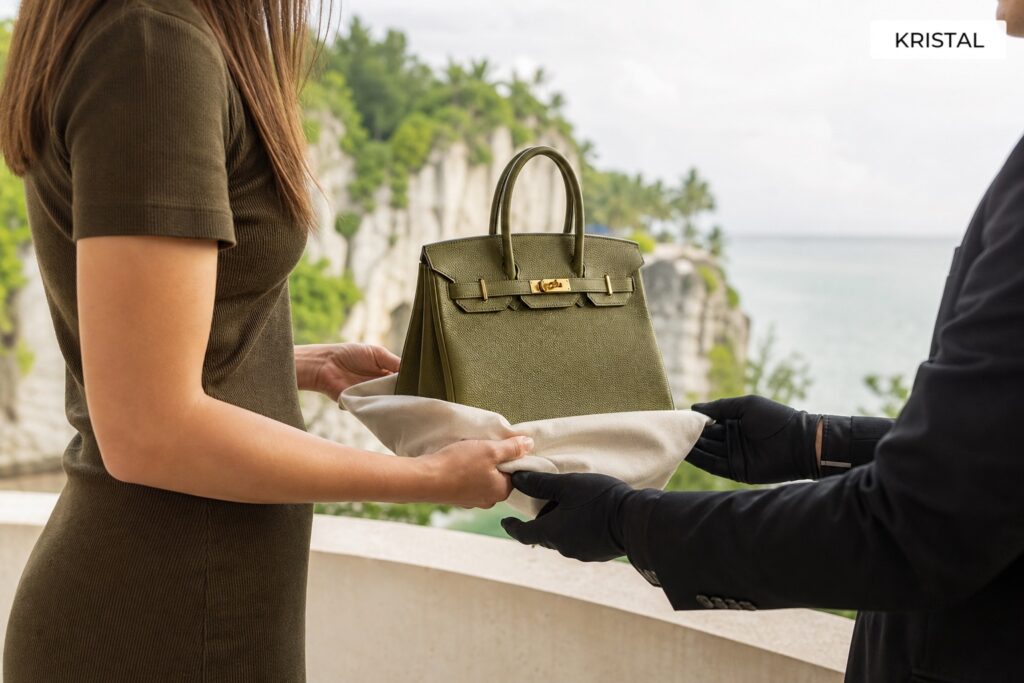
If you are thinking about your next bag, watch, or accessory, a direct cash sale is not always the only route worth comparing. Some sellers in Malaysia are not trying to cash out fully. They want to move value from one luxury bag into the next purchase more cleanly. That is where a trade-in conversation can make more sense than treating the bag as a simple sell-off.
This guide is for that upgrade decision. It is not another broad route explainer on its own. If you want the wider overview first, read the main Malaysia selling guide. If your main question is how a direct cash answer is formed, read the buyback-offer guide. This page is about a narrower choice: when trade-in fits better because the next item matters as much as the current bag.
Quick answer: when does trade-in make sense?
- you already know you want another luxury item, not only cash
- you want one cleaner conversation instead of selling first and shopping later
- you are comfortable comparing route value in credit or offset terms, not only headline cash
- your bag is clear enough to review, but speed to the next item matters more than squeezing out every last ringgit
- you still want a transparent evaluation, not a vague upgrade promise
The simplest way to frame it is this: a trade-in route usually fits best when your real goal is replacement. If your real goal is immediate cash, trade-in can feel like a detour.
| Route | Best fit | Main strength | Main tradeoff |
|---|---|---|---|
| Trade-in | sellers planning an upgrade into another item | keeps the discussion centered on the next purchase, not only cash-out | less useful if you still want to compare the open market first |
| Direct cash sale | sellers who want speed and a clean exit | simpler route when liquidity matters most | does not help with the replacement decision by itself |
| Consignment | sellers who can wait and want to test a slower route | may suit selected pieces when patience matters more than speed | usually a weaker fit if the next purchase decision is already urgent |
Trade-in is not just a different word for selling
Trade-in still starts with the same practical review questions. The buyer still needs to understand the exact bag, the real condition, the included accessories, and any repair history. But the route logic changes. In a cash sale, the conversation is about whether to release the bag now for money. In a trade-in, the conversation is also about whether the seller wants to move that value into another piece without splitting the process into two separate decisions.
That difference matters because some sellers do not want to sell first, sit on cash, then restart the search for the next bag. They want one clearer discussion: what the current bag is worth in context, what route fits the timeline, and whether the next item should be part of the same plan.
When trade-in usually fits better than direct cash
Trade-in tends to fit when the seller is already upgrade-minded. Maybe the current bag no longer suits daily use. Maybe the seller wants to move from one line to another. Maybe the item is still valuable, but the owner would rather roll that value into a different purchase than treat the bag as a separate disposal project.
In those cases, direct cash is still possible, but it may not solve the whole decision. A seller can end up doing extra work twice: first clearing the old bag, then negotiating again on the replacement side. Trade-in keeps the conversation tighter when the next step is already clear enough to matter.
If you are still unsure whether the current bag is better treated as a straightforward cash route first, compare this page with the buyback-offer guide. If the bag needs a broader range check before any route choice, start with the resale estimate guide.
When direct sale is usually better than trade-in
If the main goal is liquidity, trade-in is usually the wrong anchor. The same applies when the next purchase is not real yet and the seller mostly wants a clean exit. In that case, adding an upgrade conversation can muddy the route instead of improving it.
Direct cash sale is usually stronger when you want one simple answer: what is the practical offer for the bag now, and do you want to accept it? If you are comparing cash routes only, the cleaner follow-up is often the cash-offer comparison guide, not a trade-in discussion.
When consignment can still beat trade-in
Trade-in is not automatically the highest-value route. If your bag is a stronger consignment candidate, your timing is flexible, and the replacement purchase is not urgent, a slower listing route can still be more sensible. The problem is not trade-in itself. The problem is forcing trade-in when patience would have given you a better route fit.
That is why trade-in should be treated as a goal-based route, not a default shortcut. If you mainly care about how long a slower route can take, read the selling timeline guide and the consignment payout guide before deciding.
What usually matters in a trade-in review
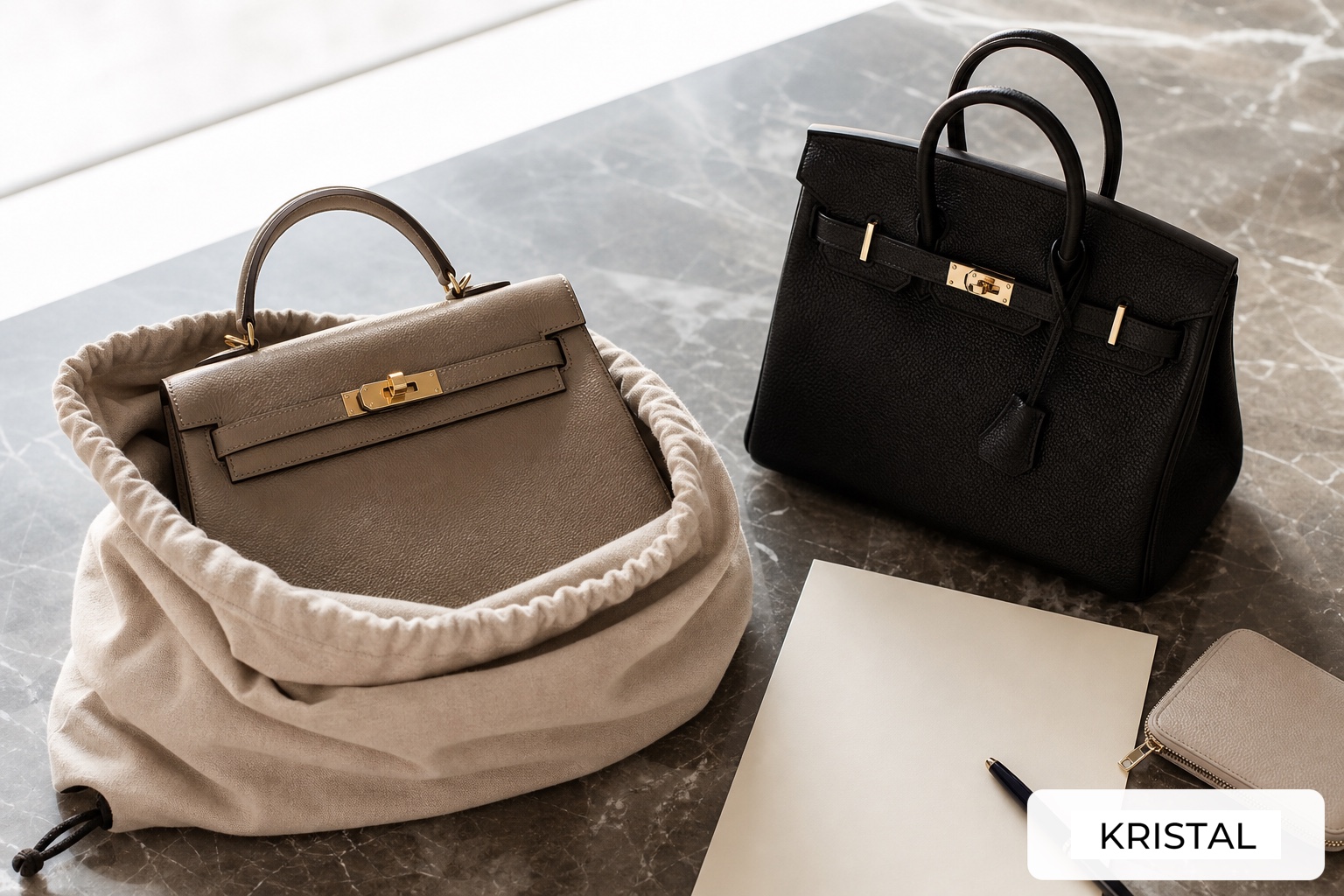
The same core details still drive the evaluation. The route is different, but the bag does not stop being the bag. Review quality still depends on the model, size, material, condition, included extras, repair history, and current demand. If those details are unclear, trade-in does not magically fix the uncertainty.
- Exact bag identity: line, size, material, and current photos still matter first.
- Condition: honest corners, handles, interior, hardware, and structure photos still matter.
- Completeness: dust bag, strap, lock, receipt, or pouch can still help the file feel cleaner.
- Upgrade intent: the more concrete the next-item plan is, the easier the trade-in conversation usually becomes.
- Route clarity: if you are still half-comparing cash, half-comparing consignment, and half-comparing replacement, the discussion can become less useful.
If accessories are the part you are still sorting out, check the full-set guide before you assume trade-in value will be read the same way regardless of what is missing.
How to prepare before asking about trade-in
- Photograph the current bag clearly: front, back, base, corners, handles, hardware, and interior.
- Say whether your goal is replacement, partial offset, or comparing trade-in against cash.
- List the included extras and any missing parts.
- Disclose repairs, recolouring, replacement parts, or uncertain history early.
- If you already know the kind of item you want next, say so in plain terms instead of keeping it vague.
That last point matters more than many sellers expect. Trade-in gets messy when the current bag file is clear but the next-step goal is vague. You do not need to script the whole purchase in advance. You do need enough clarity for the route to make sense.
What if you are trading more than one bag?
If more than one bag is part of the upgrade plan, do not treat the batch as one giant item. Sort it first. A clean everyday piece, a slower-fit seasonal piece, and a bag with repair history should not all force the same route just because the seller wants one replacement target. Use the collection-selling guide before you turn a multi-bag trade-in idea into one mixed file.
The clearer rule is this: keep the easier bags easy. Do not let one weaker or less certain bag make the entire trade-in discussion harder to read.
Common reasons trade-in discussions go off track
- the seller really wants cash, but keeps using trade-in language because it sounds easier
- the next-item plan is too vague to help the route
- the current bag file is incomplete, so the route conversation starts before the review is clean
- trade-in is treated like guaranteed higher value instead of one route with its own fit
- the seller has not confirmed they are speaking to the right official channel first
If the bigger concern is process safety before any route moves forward, read the safe-selling guide. It is the better next page when the issue is contact-path trust, rushed handover, or unclear verification, not trade-in logic.
Frequently asked questions
Is trade-in always better than selling for cash?
No. Trade-in is better only when your real goal is replacement or upgrade. If you mainly want cash, direct sale is usually the cleaner route to compare first.
Can I still ask about trade-in if I do not know the next item yet?
Yes, but the conversation is usually more useful when you can at least describe the kind of upgrade you are considering. Otherwise you may be better off starting with a normal review first.
Does condition matter less if I want trade-in instead of cash?
No. The bag still has to be reviewed on its real condition, completeness, and route fit. Trade-in changes the goal, not the facts about the bag.
Should I choose consignment before trade-in if I want the highest number?
Not automatically. Consignment can fit some bags better, but only if you can wait and the slower route matches your goal. Trade-in is about upgrade fit, not maximum patience.
Choose the route that matches the next step
If you are planning another purchase anyway, trade-in can be a cleaner route than forcing the bag through a cash-first conversation. But it only works well when the file is clear, the route goal is honest, and the next step is real enough to guide the decision. If those pieces are not aligned yet, selling for cash or comparing consignment first may still be the better move.
If you want to start the route discussion, use the contact page. If you want to confirm the official account path first, check the verified official channel page.