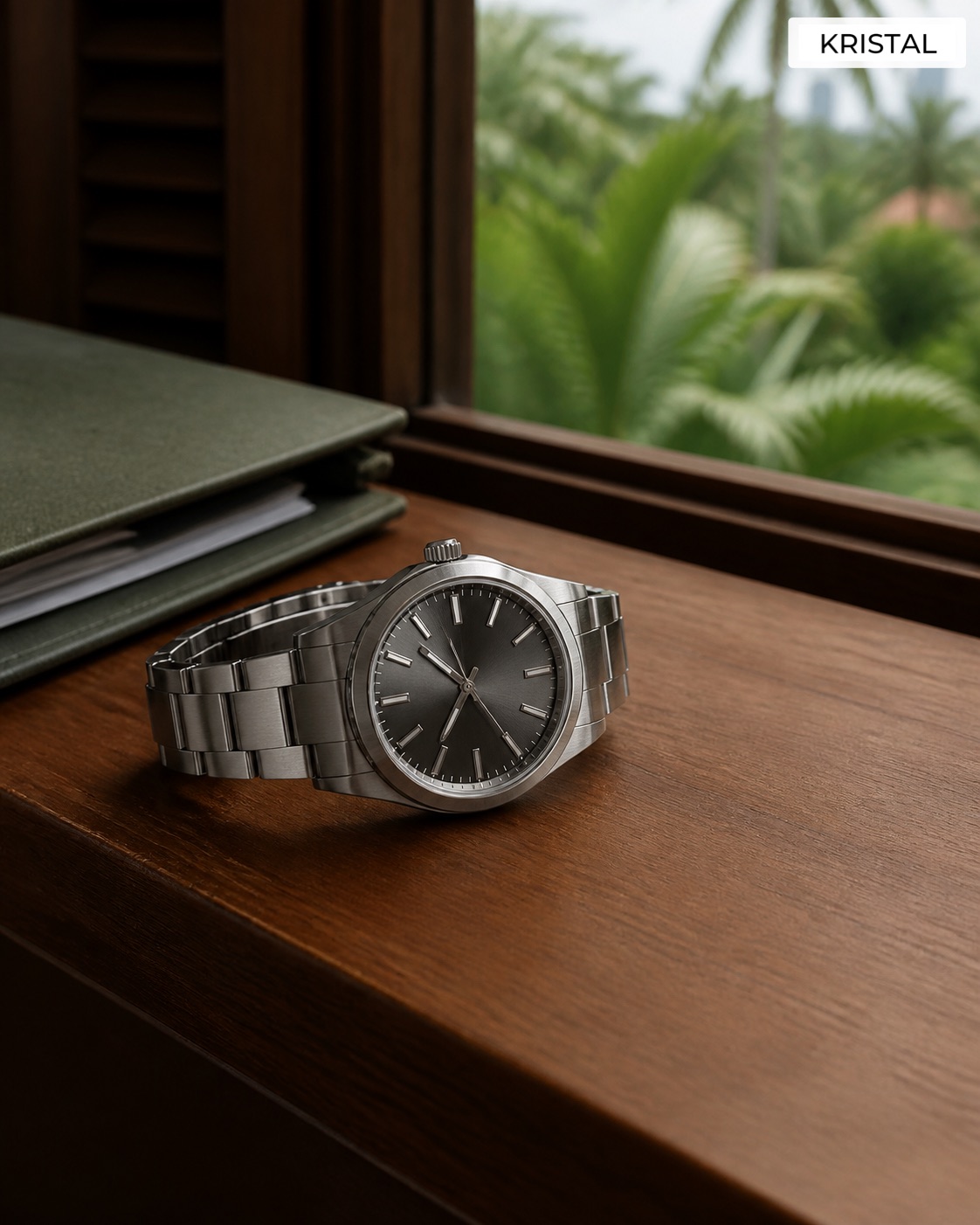
If you want to sell an inherited luxury watch in Malaysia, the first question is usually not the route. It is whether the watch file is clear enough, whether the authority behind the file is clear enough, and whether the next step can move forward without confusion about who is allowed to approve it.
That is why inherited-watch cases often move differently from ordinary owner-led sales. The watch may still be real, desirable, and reviewable, but the first response usually depends on two things at once: the watch itself and the proof around the inheritance or estate situation. If your case is not really about inheritance and you are only helping a living owner send the file, start with the watch-for-someone-else guide.
This page stays narrower than a broad watch-selling guide. It focuses on one practical question: what usually helps the first inherited-watch review move cleanly in Malaysia, especially when family authority, estate paperwork, box-and-papers completeness, service history, and owner approval are not all equally clear on day one.
Quick Answer: What Usually Helps an Inherited Watch Review First
| Factor | What usually gets checked | What you should prepare |
|---|---|---|
| Who is contacting the buyer | Whether the person sending the file is the heir, executor, administrator, spouse, child, or another family representative | State the relationship clearly in the first message instead of leaving the role vague |
| Authority to move forward | Whether there is enough proof to discuss the watch seriously and whether the next step would need more family or estate confirmation | Share the practical proof you already have and say directly if more estate paperwork is still pending |
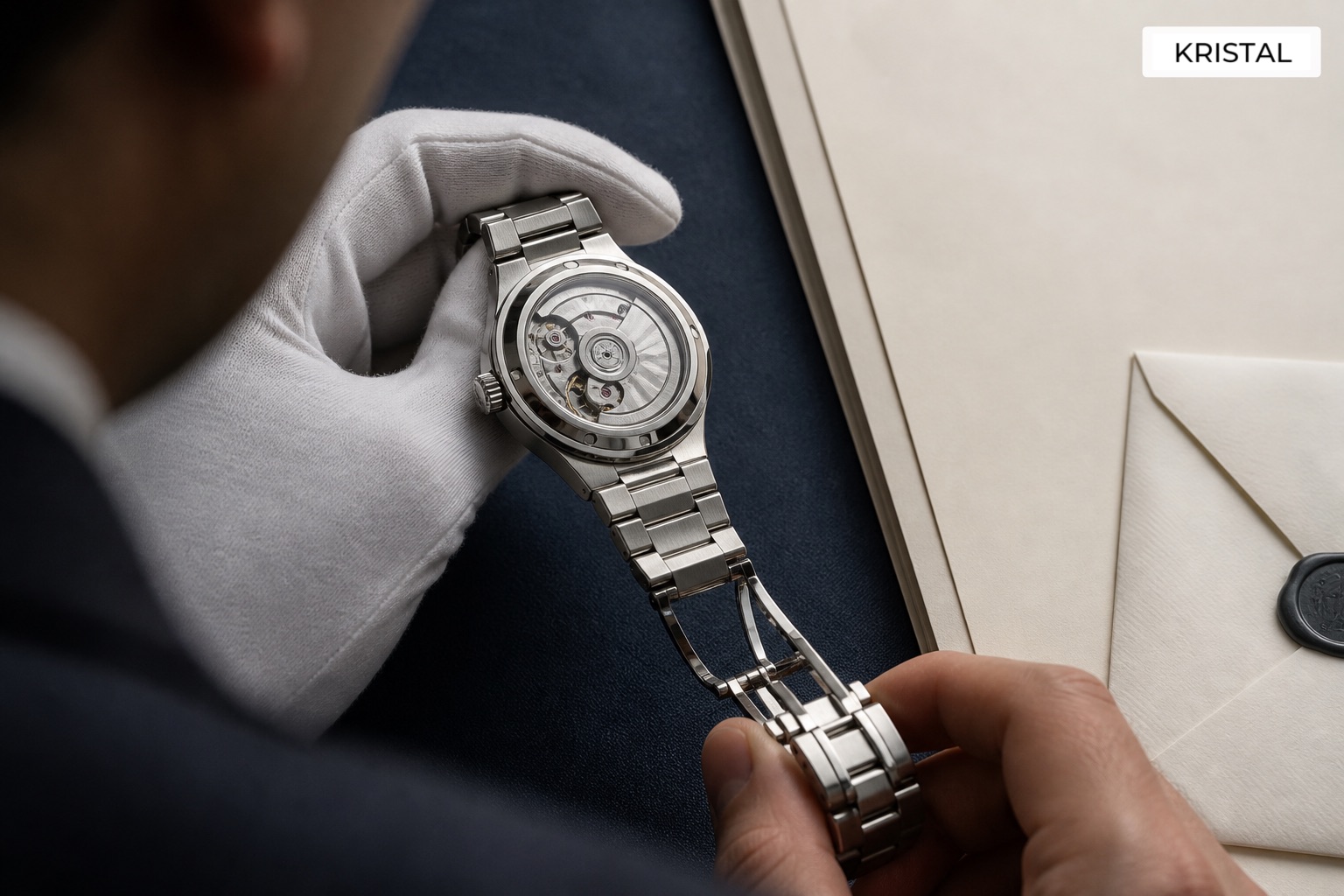
| Watch identification | Reference, visible condition, originality cues, running state, and whether the file is usable enough for a first review | Send full front, back, side, clasp, buckle, and bracelet or strap photos in even light |
| Box, papers, and service history | Whether the inherited watch still comes with card, invoice, service receipts, and other supporting items | Lay out every document and accessory you still have instead of summarizing them vaguely |
| Family or estate complexity | Whether more than one person may need to agree before inspection, handover, or payment can be treated as final | Say early if there are other decision-makers, missing papers, or unresolved family approval points |
Why Inherited Watch Files Move Differently
A standard watch sale usually starts with one simple assumption: the person sending the file owns the watch and can approve the next step. Inheritance cases do not always have that clarity yet. A family member may be holding the watch, another relative may have the documents, and the estate paperwork may still be in progress. That does not make the watch unsellable. It just means the first review needs more clarity around authority than an ordinary owner-led file.
That difference matters early. A strong inherited-watch file does not only show the watch clearly. It also explains who is contacting the buyer, how the watch came into that person’s hands, and whether the next conversation is only for a preliminary view or already meant to move toward inspection, handover, and payment.
If your real question is still route choice rather than inheritance proof, keep the main luxury watch selling guide open as well. This page is about authority and readiness before that route discussion becomes useful.
What Proof Usually Helps First?
Inherited-watch cases do not all need the same paperwork at the same moment. The practical goal of the first message is simpler: reduce uncertainty. That means showing enough to explain the situation honestly instead of waiting until the file looks perfect.
In many cases, the most useful first proof includes:
- A direct explanation of your relationship to the watch owner or estate.
- A note on whether the watch came through inheritance, an estate process, or a family handover after death.
- Any available estate or family paperwork that helps explain who can speak for the watch now.
- Your own contact and identification details when the next step requires them.
- Clear watch photos, plus any card, invoice, service records, or receipts that remained with the watch.
You do not need to turn the first message into a legal memo. You do need to remove avoidable confusion. A buyer can give a more useful early response when the file says, in plain terms, who you are, what the watch is, what proof exists today, and what still needs to be clarified before the transaction can move beyond a preliminary review.
If the watch details are still weak, use the watch photo checklist and the box-and-papers guide before sending the first file.
Can You Ask for a Valuation Before Every Estate Detail Is Final?
Usually yes, as long as you frame it honestly. A preliminary valuation is still possible when the watch is identifiable and the authority situation is explained clearly. What usually causes trouble is not incomplete estate paperwork by itself. It is pretending the file is already ready for inspection, handover, or payment when the approving person or the inheritance proof is still uncertain.
That is why an inherited-watch valuation often works best in two stages. First, send a usable watch file with a clear explanation of the inheritance context. Second, tighten the authority paperwork if the review is worth moving forward. This keeps the first conversation practical without overstating how final the case already is.
If you want the watch-specific estimate logic first, read the watch valuation guide. If the watch is a Rolex or Richard Mille and you also want a brand-specific valuation frame, keep the Rolex valuation guide or the Richard Mille valuation guide nearby.
What If More Than One Family Member Is Involved?
This is one of the biggest reasons inherited-watch cases stall. One relative may be holding the watch, another may control the paperwork, and a third may still need to agree before the next step can happen. That does not stop a first discussion, but it does change what a reliable first answer looks like.
If multiple family decision-makers are involved, say that early. A cautious first response is usually better than a fast but unstable one. The cleaner file is the file that explains who still needs to approve what. That keeps inspection planning, pricing expectations, and payment assumptions from becoming messy later.
This is also where inherited cases differ from the broader someone-else guide. On that page, the owner usually still exists and can still confirm the next step directly. In an inheritance case, the authority chain may be more layered, so the file needs to make that visible instead of hiding it.
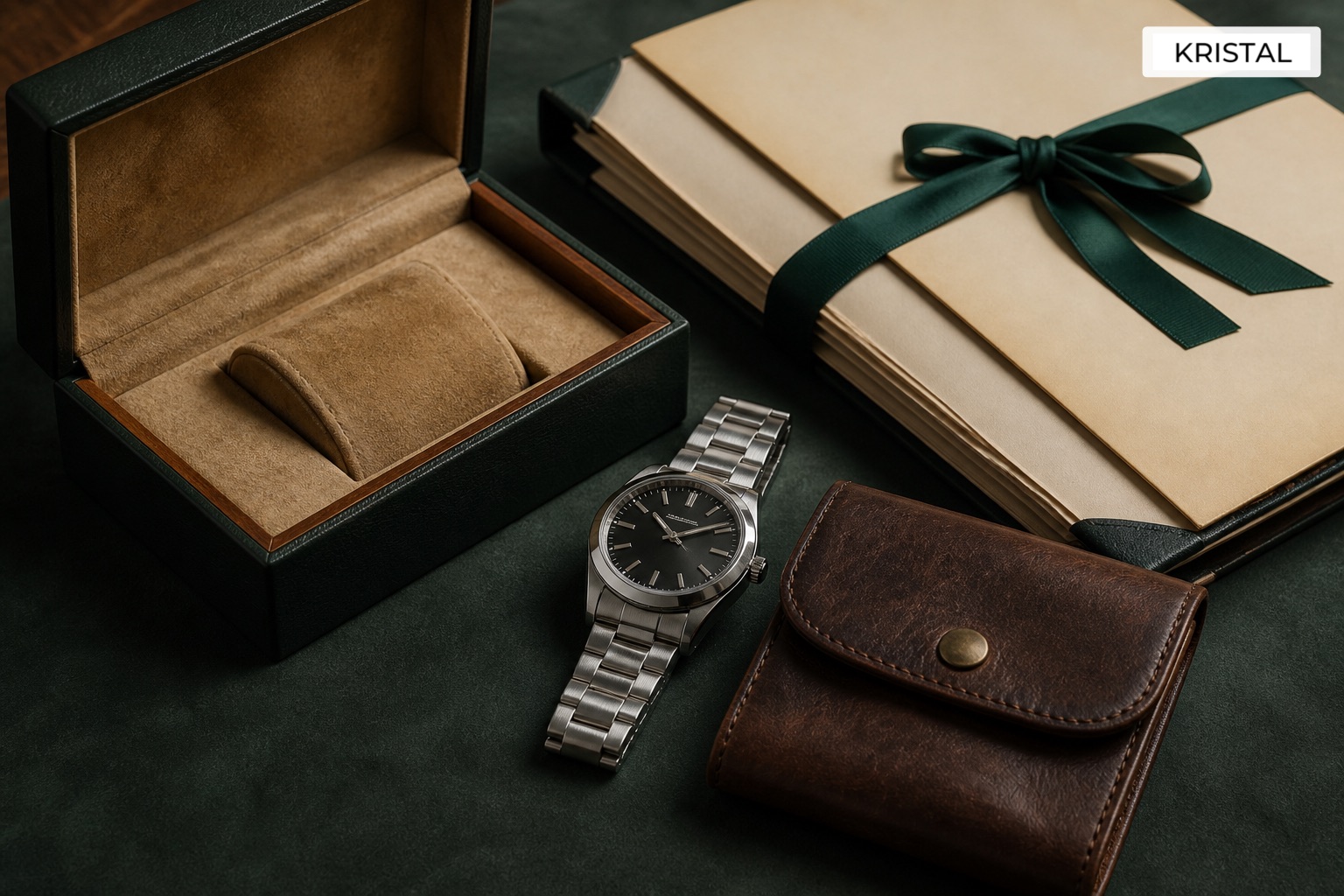
Do Box, Papers, and Service Records Matter Even More on Inherited Watches?
Often yes. These details already matter on ordinary watch files, but they can carry more weight in inheritance cases because they reduce uncertainty on two fronts at once. They help explain the watch, and they help show that the file was assembled carefully rather than hurriedly.
A complete set does not solve an unclear authority chain. But it does help the first review feel more grounded. Warranty card, purchase invoice, service receipts, replacement-part records, and any old correspondence around the watch can all help the file move more cleanly when the inheritance context already requires extra trust.
If the set is incomplete, say so directly. Missing papers do not automatically block a first review. Hiding that gap usually weakens the file more than the gap itself.
Should You Service or Polish an Inherited Watch Before Asking?
Usually not before the first review. The better first move is to show the watch honestly and explain what is known about its recent history. Inherited watches often come with partial records, uncertain service timing, or long storage gaps. That is exactly why an honest first file matters more than a cosmetically improved one.
If you are thinking about spending money before the first response, compare the case with the service-or-polish guide. In many situations, it is cleaner to get the preliminary review first and decide later whether any extra work actually helps.
What If the Watch Has Been Sitting for Years?
That is common in inheritance cases. A watch that has been stored for a long time may still be fully worth reviewing, but the first file should not pretend recent running history is known when it is not. Say directly whether the watch currently runs, whether it has been worn recently, and whether any service timing is uncertain.
Stored watches often need clearer photos of the crystal, case, crown, bracelet or strap, clasp, and any obvious signs of moisture, wear, or inactivity. If the condition is unclear, the early answer usually stays broad. That is normal. The point of the first review is to get a realistic starting position, not to force a final number too early.
Does an Inherited Watch Review Mean You Can Complete the Sale Immediately?
Usually no. A useful first review and a completed sale are not the same thing. The first review helps you understand whether the watch file is strong enough, whether the watch itself looks promising, and what authority or document gaps still need to be closed before inspection or payment becomes realistic.
That distinction matters. Many inherited cases do not fail because the watch is weak. They fail because a preliminary conversation is mistaken for a completed authority chain. It is better to treat the first review as a serious screening step, then tighten the next-step proof before the handover stage. If you want to see that later stage clearly, read the watch handover guide.
Frequently Asked Questions
Can I ask about an inherited watch if I only have photos right now?
Yes. A first review can still begin from photos if you explain your relationship to the watch and what proof is already available.
What if the watch belonged to a parent and more than one sibling is involved?
Say that early. The file usually moves more cleanly when the buyer knows more than one family approval step may still be needed.
Do I need the original warranty card before asking?
No. The card helps if it still exists, but a first review can still happen without it if the watch and the inheritance context are shown clearly.
Should I wait until every estate document is finalized?
Usually not for a preliminary review. It is often better to start with a clear explanation of what is already confirmed and what is still pending.
Is this the same as selling a watch for someone else?
Not quite. A living-owner file and an inherited-watch file can overlap, but inheritance cases usually need more clarity around who can approve the next step.
Request an Inherited Watch Review in Malaysia
If you want help reviewing an inherited luxury watch in Malaysia, start with the clearest version of the story: who is contacting the buyer, how the watch came into your hands, what proof already exists, and what still needs to be confirmed. Pair that with clear watch photos and whatever box, papers, or service history you still have.
To start the conversation, use the contact page. If you want the physical handover geography nearby while you plan the next step, keep the locations page open as well.