Luxury Watch Valuation in Malaysia
If you are trying to understand luxury watch valuation in Malaysia, the first thing to know is that a useful estimate is usually built from the actual watch in front of the reviewer, not from the brand name alone. Two watches from the same maker can land in very different conversations once reference, originality, service history, case condition, bracelet or strap state, and paperwork all come into view.
That is why the most useful first estimate usually starts with a clean, honest file. Kristal Luxury handles luxury watches in Malaysia, and a remote-first review can work well when the seller shows the watch clearly enough for someone to judge what is really there. A vague wrist shot and a hopeful price target usually do less for a valuation than a tighter photo set and a short, factual summary.
If your main question is route choice first, read the broad watch-selling guide. This page stays on a different question: what usually changes the estimate itself before you choose the route.
Quick Answer
A realistic watch estimate usually gets stronger when the exact reference is clear, the watch appears original, the condition is shown honestly, and the supporting file is complete enough to reduce guesswork. A weaker estimate usually comes from missing details, unclear servicing, poor photos, aftermarket changes, or an incomplete set that still leaves important questions open.
| Valuation factor | Why it matters | What sellers should show early |
|---|---|---|
| Exact reference and configuration | The starting range changes when the watch itself is different | Dial, case, bracelet or strap, clasp, and any reference details |
| Originality and completeness | Missing or changed parts can alter confidence quickly | Box, papers, spare links, replaced parts, and service cards |
| Condition and wear | Polishing, dents, stretch, crystal marks, and strap wear affect the read | Close condition photos instead of only front-facing glamour shots |
| Service history | Known maintenance reduces uncertainty around the next step | Invoices, service cards, timing notes, or a clear note when history is unknown |
| Route fit | The estimate can differ depending on direct-sale versus consignment logic | Your timing priority and whether you need speed or are open to waiting |
What a Useful Watch Valuation Usually Means
A useful valuation is not the same thing as a guaranteed final number. It is usually an early estimate based on what can already be seen, what is documented, and how much uncertainty remains. If the watch file is clean, that estimate can be tighter. If the file is incomplete or the watch raises more questions, the estimate may need a wider range or a follow-up inspection before the route becomes clear.
This matters because sellers sometimes expect one number from one photo. That is rarely how a careful watch review works. Even in a straightforward case, the reviewer may still need to understand whether the watch has been polished heavily, whether the bracelet is stretched, whether the clasp and crown look consistent, whether the service history is known, and whether any part of the configuration looks changed from what the watch should be.
The Exact Reference Still Comes First
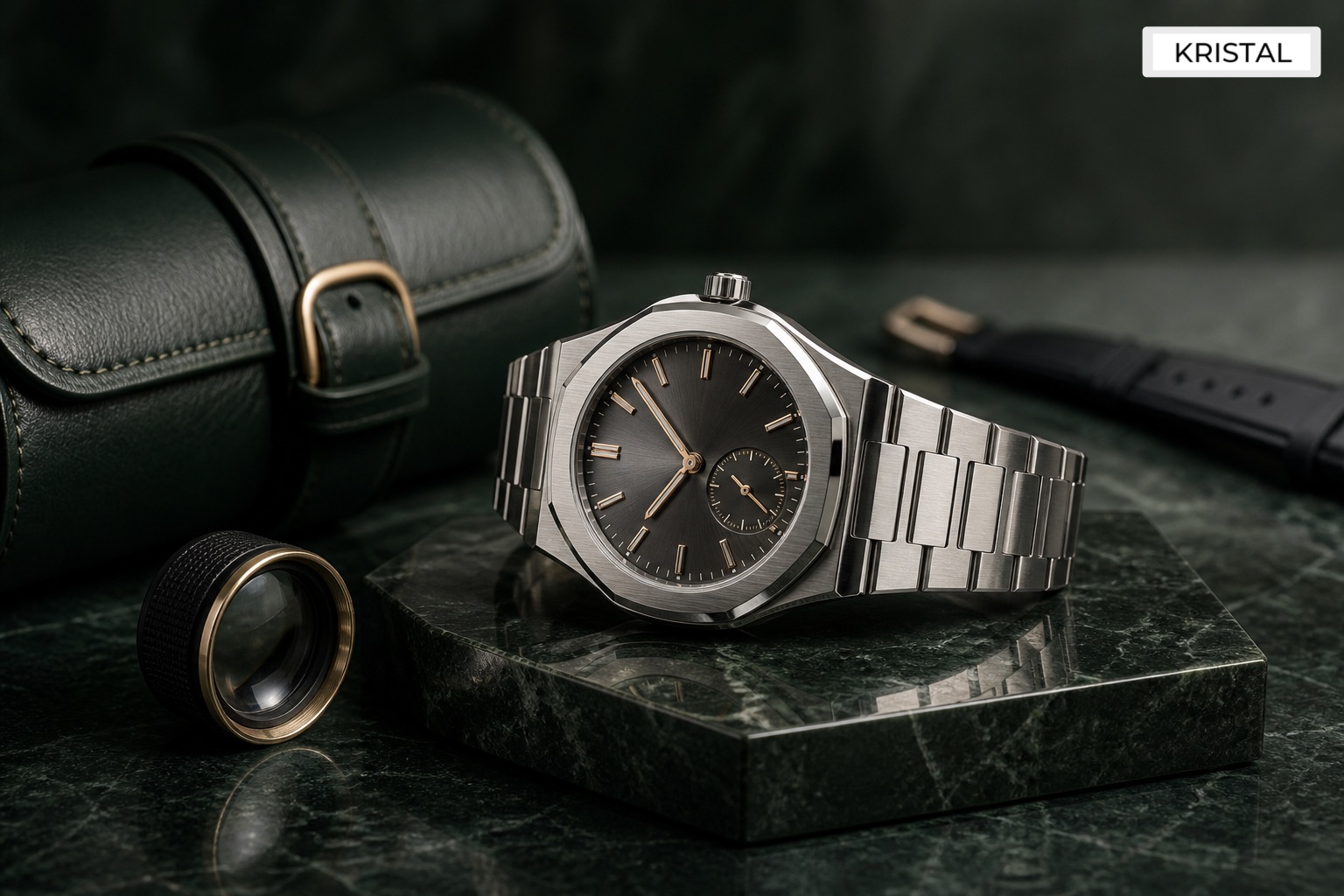
Valuation usually starts with the actual reference, not with the broad label of “luxury watch.” Model family, case size, metal, dial setup, bracelet or strap configuration, and production variation can all change the conversation early. Even when two watches carry the same brand, they may not belong in the same estimate range once the specifics are visible.
That is one reason sellers should not treat the brand name as the full argument. A clean first file usually shows the front, side profile, caseback where appropriate, clasp, bracelet or strap, and any paperwork that helps confirm what the watch is. If your question is narrower than this generic valuation page, you can also use the Rolex guide or the Richard Mille guide.
Originality and Completeness Can Shift the Estimate Fast
Originality usually affects confidence. If the watch appears close to its expected configuration, the estimate process stays cleaner. If there are replaced parts, aftermarket straps, uncertain dials, missing links, missing paperwork, or unclear provenance, the estimate may become more cautious even before deeper inspection begins.
Completeness matters for the same reason. A full set does not solve every problem, but it removes some uncertainty. A watch without box or papers can still be reviewed, but the seller should say that early instead of letting the missing pieces appear later. A clean honest note usually helps more than trying to present the watch as more complete than it is.
Condition Is More Than One Front Photo
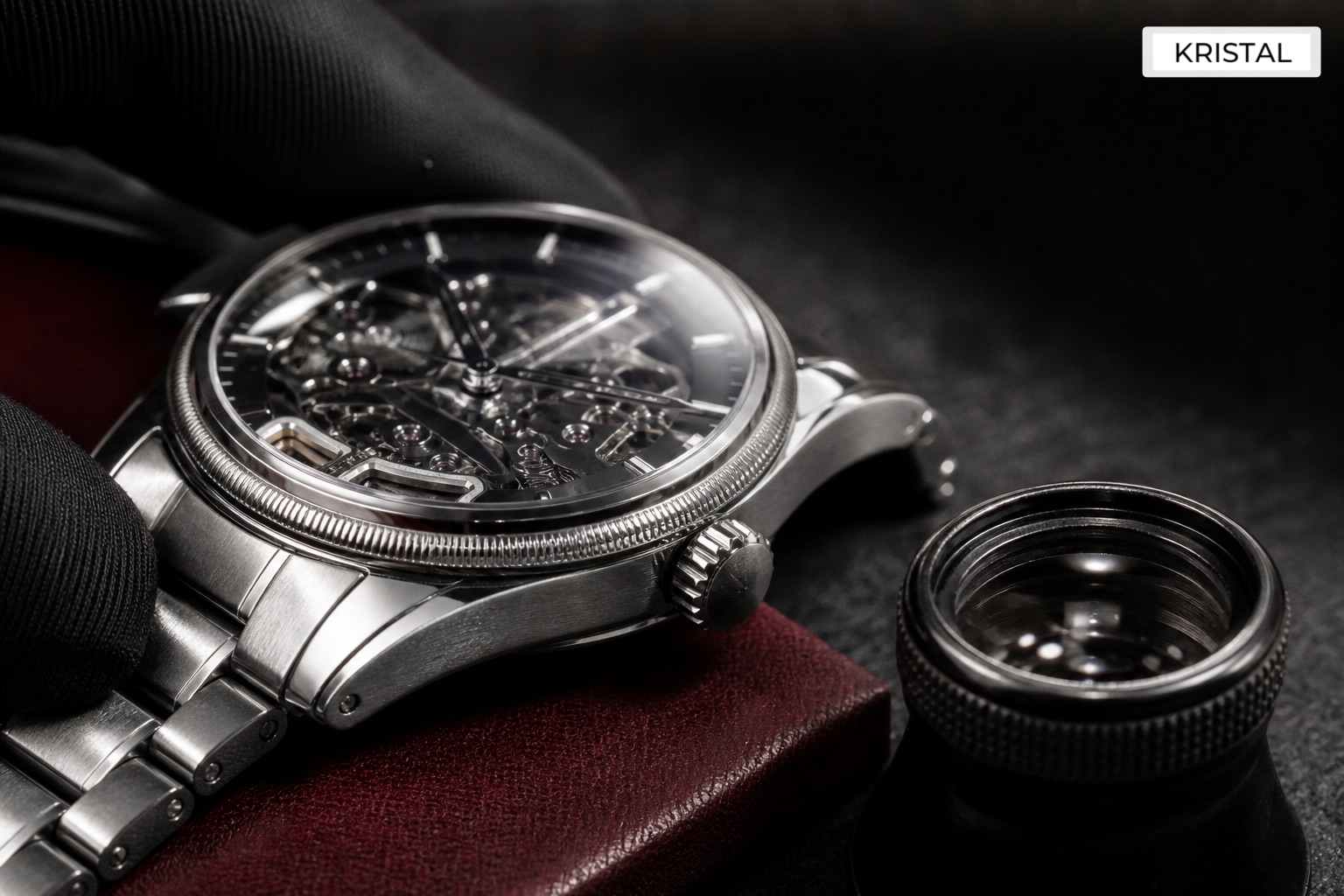
Condition questions often carry more weight than sellers expect. A watch may still look attractive from the front while showing stronger wear at the bezel, lug edges, clasp, bracelet stretch points, crown guards, caseback, or strap attachment. A strong valuation file makes those areas easy to assess instead of hiding them behind flattering lighting.
That does not mean every wear mark is a problem. Normal use is normal. The issue is clarity. Heavy polishing, softened edges, dents, crystal chips, deep bracelet wear, tired straps, or visible damage can all influence the confidence of the first estimate. The more honest the file is, the less time gets wasted later.
Service History Changes the Risk Read
Service history can shape the estimate even when the watch is cosmetically strong. If the last service is documented and recent enough to answer obvious questions, the reviewer has less uncertainty to price around. If the watch has unknown history, inconsistent timekeeping, poor power reserve, or a long period with no service context, the estimate may stay more cautious.
This does not mean every watch needs a perfect service file before it can be reviewed. It means the estimate becomes more practical when the seller says what is known and what is not known. A short note such as “service history unknown” is more useful than pretending the issue does not exist.
Route Choice Still Affects the Estimate
Sellers sometimes separate valuation from route choice too sharply. In practice, the two can overlap. A direct-sale estimate usually has to fit a faster, cleaner route. A consignment discussion can sometimes tolerate more patience if the watch file is stronger and the seller is comfortable waiting. That does not mean one route is automatically better. It means the estimate can reflect the route logic behind it.
If you are still deciding between speed and patience, read the watch route guide before locking onto one number too early. A seller who needs a faster direct outcome is asking a different practical question from someone who is willing to test a slower consignment path.
What to Prepare Before Asking for a Valuation
Before you ask for a watch estimate, keep the file tight. Good photos usually matter more than a long message. Show the dial, both case sides, caseback where appropriate, clasp, bracelet or strap, crown area, and any visible wear. If you have the box, papers, spare links, receipts, or service records, include them. If something is missing or changed, say that clearly.
It also helps to state the one thing you need most. Are you looking for a realistic early selling estimate? Are you mainly deciding whether the watch suits a direct route or consignment? Are you still checking whether the watch file is strong enough to move forward? That context makes the first answer cleaner.
Can a Remote-First Valuation Still Be Useful?
Usually yes. A remote-first review is often the cleanest starting point because it shows whether the watch already supports a realistic early estimate or whether too much is still unclear. It can save time for sellers who do not want to travel before they know whether the conversation is even moving in the right direction.
The limit is simple. A remote-first estimate is only as good as the file. If the photos are weak, the service story is vague, and the important angles are missing, the estimate will stay broader. That is not a failure of the route. It is just the result of incomplete information.
Common Mistakes That Weaken a First Estimate
- sending only one front photo and leaving out the bracelet, clasp, case sides, or caseback
- assuming a famous brand answers the valuation question by itself
- not mentioning replaced parts, missing links, missing papers, or service uncertainty until late
- showing polished marketing photos instead of the actual wear points
- asking for a precise number while keeping the watch details vague
Most early valuation friction comes from missing clarity, not from one dramatic flaw.
FAQ
Can I get a luxury watch valuation without the box and papers?
Usually yes. A missing box or papers does not automatically stop the conversation, but it should be disclosed early because completeness still affects confidence and sometimes the estimate range.
Does polishing change the estimate?
Often yes. Heavy polishing, softened edges, and other condition changes can affect how the watch is read. Honest close photos help more than trying to hide it.
Is a remote-first estimate enough before I decide what to do next?
Usually yes, if the file is strong. It can clarify whether the watch already suits a useful early estimate or whether the next step needs a closer inspection.
Should I service the watch before asking for a valuation?
Not always. Sometimes a service helps, sometimes it simply changes the timing and cost of the decision. It is better to show the current state honestly first than to assume servicing is automatically the right move.
Related Reading
- How to Sell a Luxury Watch in Malaysia: Direct Sale vs Consignment
- Where to Sell Rolex in Malaysia: Direct Sale or Consignment?
- Where to Sell Richard Mille in Malaysia: Direct Sale or Consignment?
- Kristal Luxury brands and accepted categories
Final Advice
If you want a luxury watch valuation in Malaysia, start with a clearer file, not a stronger sales pitch. Reference, originality, condition, completeness, service clarity, and route fit all shape the estimate. If you are ready to start, use the contact page for the first review or check the handover details on the locations page.