Yes, sometimes you can help sell a luxury bag for someone else in Malaysia. But the cleanest way to do it is to say that upfront from the start. The owner, the contact person, the handover person, and the payout expectation should not stay vague. If those roles get blurred, even a straightforward bag can turn into a messy review.
This guide is for cases where the bag belongs to your spouse, parent, sibling, client, or another owner who is asking you to help. It can also help when the bag comes from an estate or an older family collection, although those cases may need extra confirmation before any final step. If your main question is still which route fits the bag, read the main Malaysia selling guide first. If your bigger concern is avoiding risky or unclear contact paths, use the safe-selling guide alongside this one.
Quick answer: what should you clarify first?
- who owns the bag
- who is speaking on the owner’s behalf
- who can answer condition and history questions honestly
- who will hand the bag over if the review moves forward
- who is meant to receive the payout or final sale approval
If you can answer those points clearly, the case usually moves more smoothly. If you cannot, do not try to patch the gaps with assumptions. A plain explanation is better than a neat but wrong story.
| Situation | Usually workable? | What to clarify early |
|---|---|---|
| Helping a spouse or parent | often yes | say who owns the bag, who is contacting, and who will approve the next step |
| Helping a friend or client | case by case | do not imply the bag is yours; make the owner role explicit from the first message |
| Owner is overseas or unavailable | sometimes | keep the file photo-first and confirm who can answer follow-up questions |
| Inherited or estate-held bag | slower and more sensitive | say clearly that the bag comes from an estate or family transfer and ask what proof is needed before handover or payout |
Why this gets messy faster than a normal one-owner sale
When you sell your own bag, the file is simpler. You know where it came from, what is included, what was repaired, and whether anything is missing. When you are helping someone else, those answers may sit with another person. If the contact person cannot explain the bag clearly, the review slows down or becomes less precise.
The problem is not that a third-party case is automatically impossible. The problem is that the buyer now has to understand the bag and the people around it. That is why clarity matters early.
The four roles that should never stay vague
- Owner: who actually owns the bag now.
- Contact person: who is sending the photos and taking the first questions.
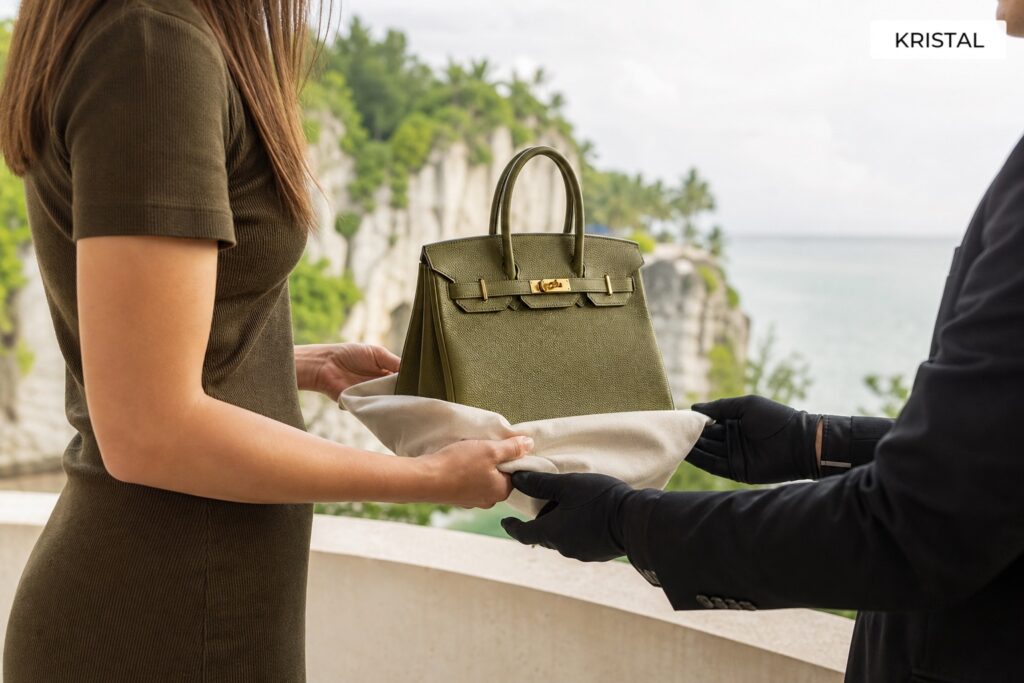
- Handover person: who will physically bring or release the bag if the process moves ahead.
- Decision maker: who can accept the route, the timing, and the final number.
Sometimes one person covers all four roles. Sometimes they do not. That is fine. Just do not leave the buyer guessing where one role ends and another begins.
What to send in the first message when the bag is not yours
Start with a simple explanation. Say that you are helping the owner, name the relationship if relevant, and keep the bag file consistent. That first file should still include clear photos, honest condition notes, and the correct extras. If the images are still weak, fix that with the photo checklist guide. If the wording around wear or repairs is vague, use the condition notes guide first.
A clean opening usually covers these points:
- the bag belongs to my mother / wife / client / family member
- I am helping with the first review
- the owner can confirm the next step if the route looks suitable
- these are the current photos and the included extras
- these are the known issues or uncertainties
That is usually enough to start. You do not need a dramatic explanation. You just need one that makes sense.
Do not let paperwork and accessories get mixed into the wrong story
Third-party sales get confusing when the contact person starts speaking too confidently about documents they have not checked. If the receipt is missing, say it is missing. If the dust bag, strap, box, or lock belongs to a different item in the same family cupboard, sort that out before you send the file. If you need that step, compare the no-receipt guide and the full-set guide.
The goal is not to make the file look stronger than it is. The goal is to stop avoidable confusion before it reaches the review.
When the bag comes from an estate or older family collection
These cases often need more patience. The bag may be older, the receipt may be gone, and the current decision maker may not know the exact model history. That does not mean the bag cannot be reviewed. It means you should say plainly that the bag comes from an estate, inheritance, or older family handover. If the model is older or less certain, pair this with the vintage guide before you ask for a route decision.
If the family is sorting several bags at once, do not send them as one loose pile. Use the collection guide so the cleaner pieces do not get slowed by the weaker or less documented ones.
What if the owner is overseas, elderly, or not the person doing the messaging?
That is common. The cleanest approach is still to start photo-first, keep the description honest, and say who can confirm the next step later. Problems usually start when the messenger promises a handover, payout path, or condition history that the real owner has not confirmed.
If you expect a slower handoff or you already know the bag has special issues, say that early. For example, if long storage left odour, shape loss, or lining problems, add that clearly and review the storage-damage guide before you present the bag as routine.
What not to do when you are helping someone else sell
- do not imply the bag is yours if it is not
- do not guess about missing receipt, repair history, or included extras
- do not promise that someone else will accept the route or number later
- do not mix several owners’ bags into one unclear batch
- do not move to handover before the owner-side details are aligned
Those mistakes create friction that has nothing to do with the actual bag. Most are avoidable if the first message is clear.
If you want the review to stay cleaner
Use one verified contact path, one readable bag file, and one honest explanation of who is involved. If you want to confirm the official contact route first, use the verified official channel page. If you are ready to send the file for review, use the connect page.
If the route is still unclear, return to the main Malaysia selling guide. If the risk question is bigger than the ownership question, go back to the safe-selling guide.
Frequently asked questions
Can I ask for a quote for my mother’s or wife’s bag?
Usually yes, as long as you say clearly that you are helping the owner and the bag file stays honest and consistent.
Can someone else drop the bag off even if they did not do the messaging?
Sometimes, but do not assume that. Say who will handle the handover before the process reaches that stage.
What if the owner is overseas?
Start with a clear photo file and explain who can confirm follow-up questions. Do not over-promise the next step if the owner still needs to approve it.
What if the bag is inherited?
Say that directly. The review may still begin, but inheritance or estate cases can need extra owner-side confirmation before any final handover or payout step.
Say who owns it before you say how fast you want to sell it
If you want to sell a luxury bag for someone else in Malaysia, start with the ownership picture first. Say who owns the bag, who is helping, who can confirm the details, and who will take the next step if the review looks suitable. That alone usually makes the process cleaner than trying to make a third-party case sound like a simple one-owner sale.
If you are ready to start the review, use the connect page. If you want to confirm the official contact route first, use the verified official channel page.